Employees Only: Fallen Arrows

Uncategorized

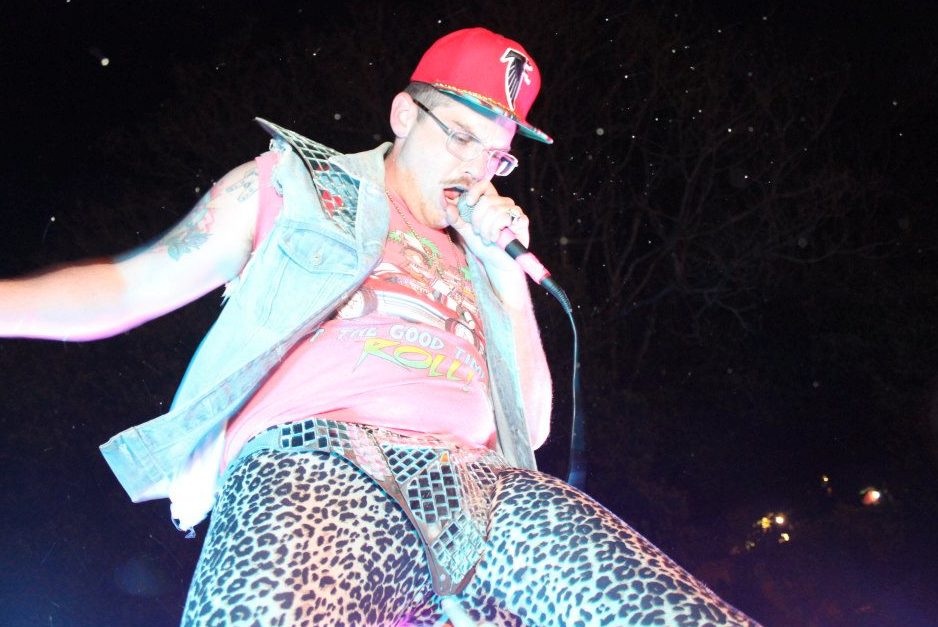
A few years ago I partnered with Fallen Arrows, a local print shop on Dekalb Ave. I shot photos of their products for their website as well as of their showroom space and it was during one of their parking lot parties there that I first saw Cousin Dan perform.

Screen shot 2014-11-20 at 12.16.11 PM Screen shot 2014-11-20 at 12.15.31 PM

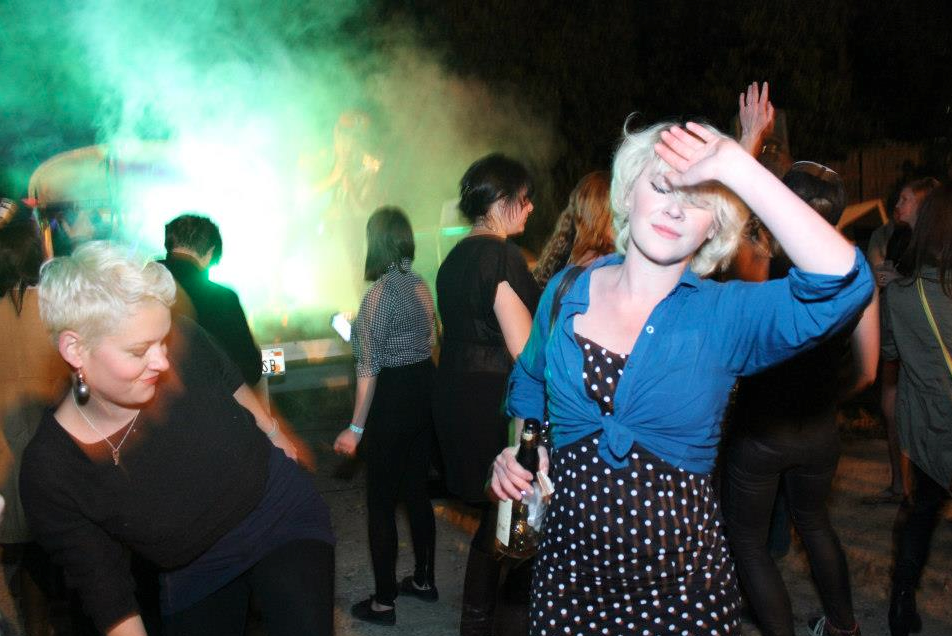
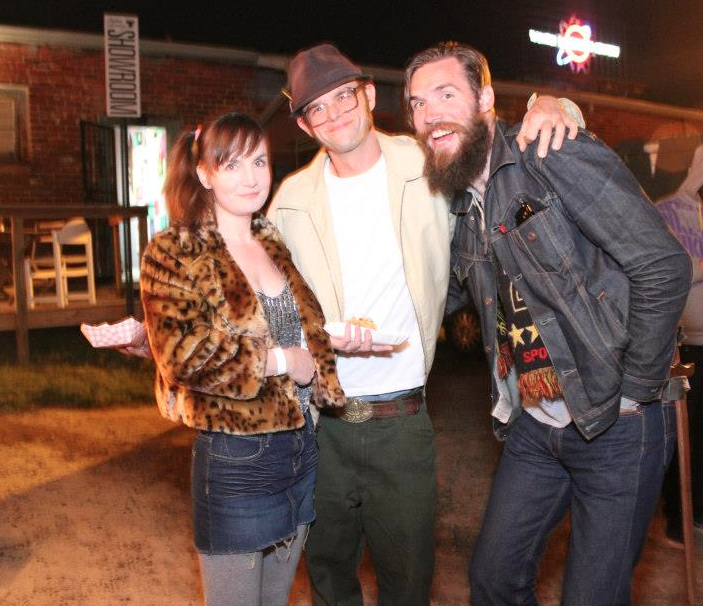
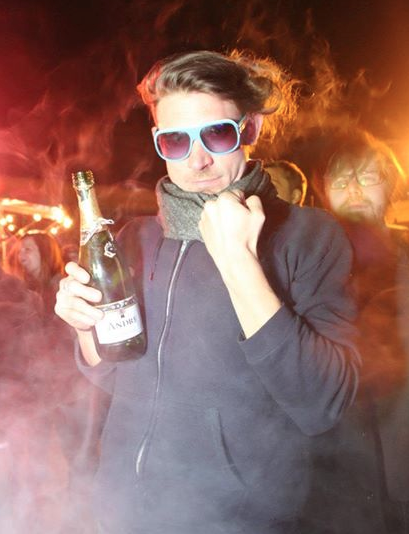
I always had a great time, as you can see from these pictures of that Pimm’s Down, Hoe Cakes Up event.

Screen shot 2014-11-20 at 12.15.43 PM Screen shot 2014-11-20 at 12.16.02 PM

You can see more photos over at my Facebook page from that night. Fallen Arrows over the years has also had similar summer pool parties in their lot, and they have partnered with many local artists and friends of mine to make custom products. I’ve come to know the crew there to be friendly, helpful, and encouraging of local arts.

Fallen Arrows Edits_12 Fallen Arrows Edits_11

Last week I stopped by to catch up a bit with Andrew Bellury and Brandy McArthur.

Fallen Arrows Edits Fallen Arrows Edits_10

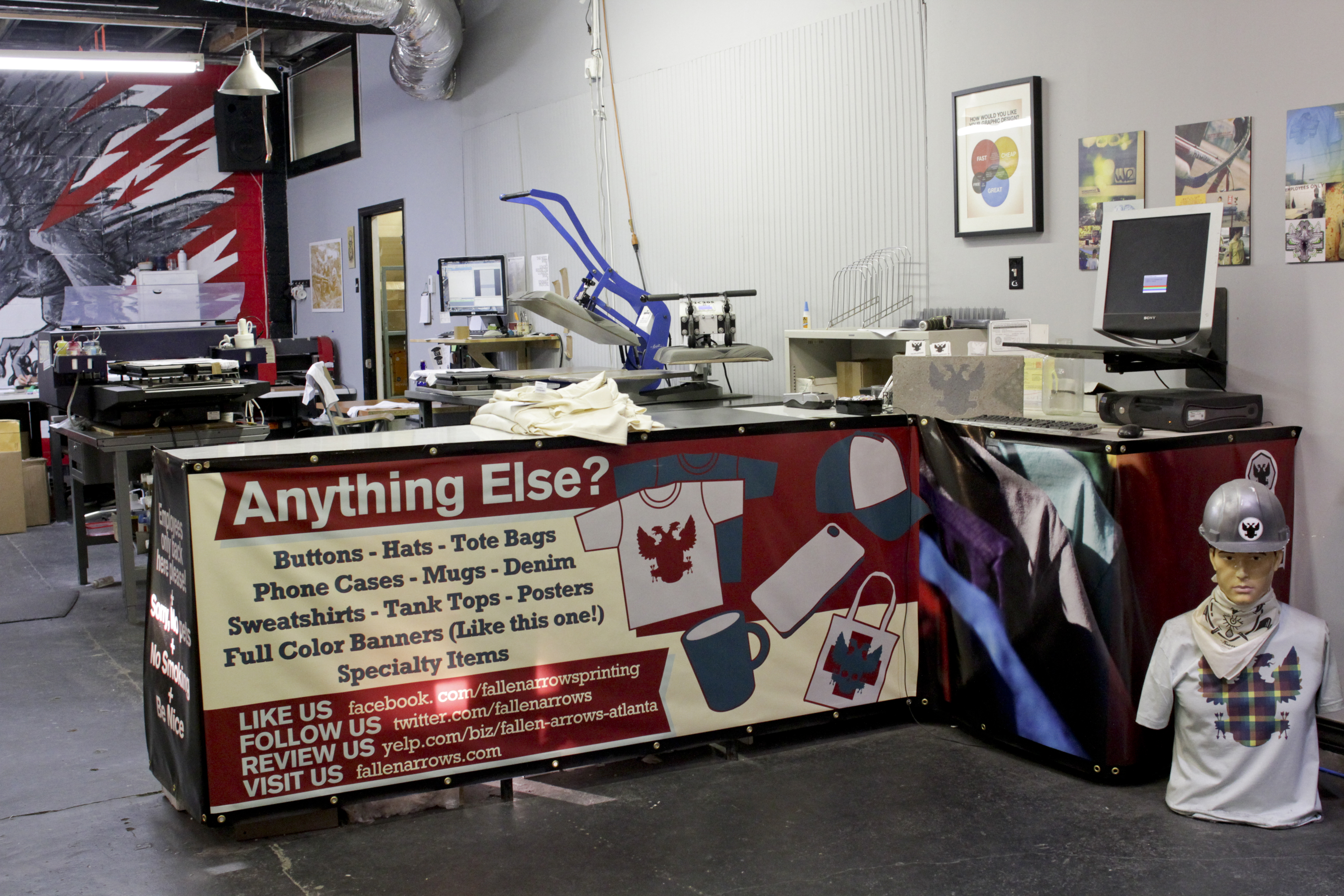
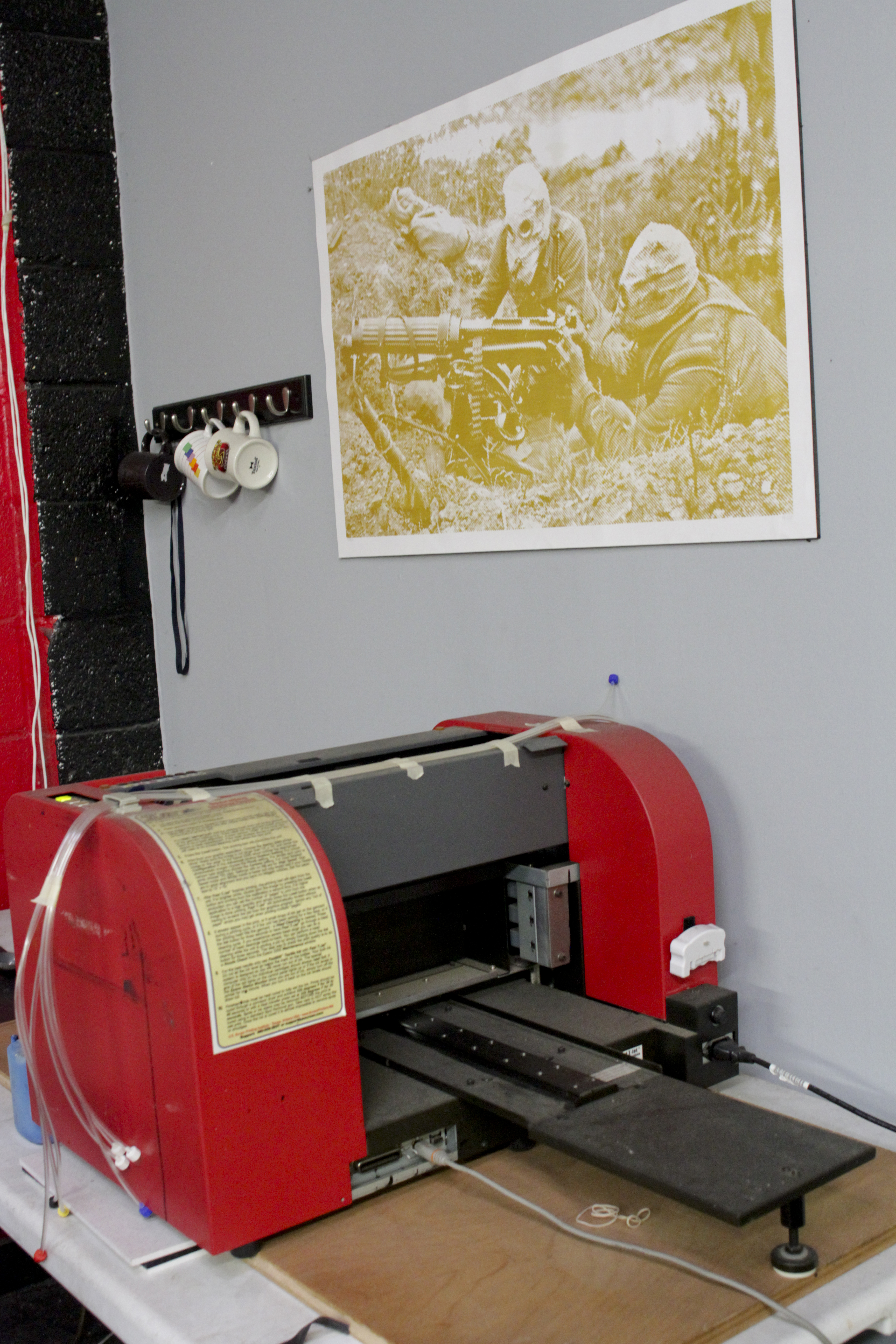
In a tiny shop tucked away next to a neon sign shop and across from the MARTA line, a small industrious crew turns artwork into products for a variety of clients with the use of digital printers and heat presses.

Fallen Arrows Edits_6 Fallen Arrows Edits_8

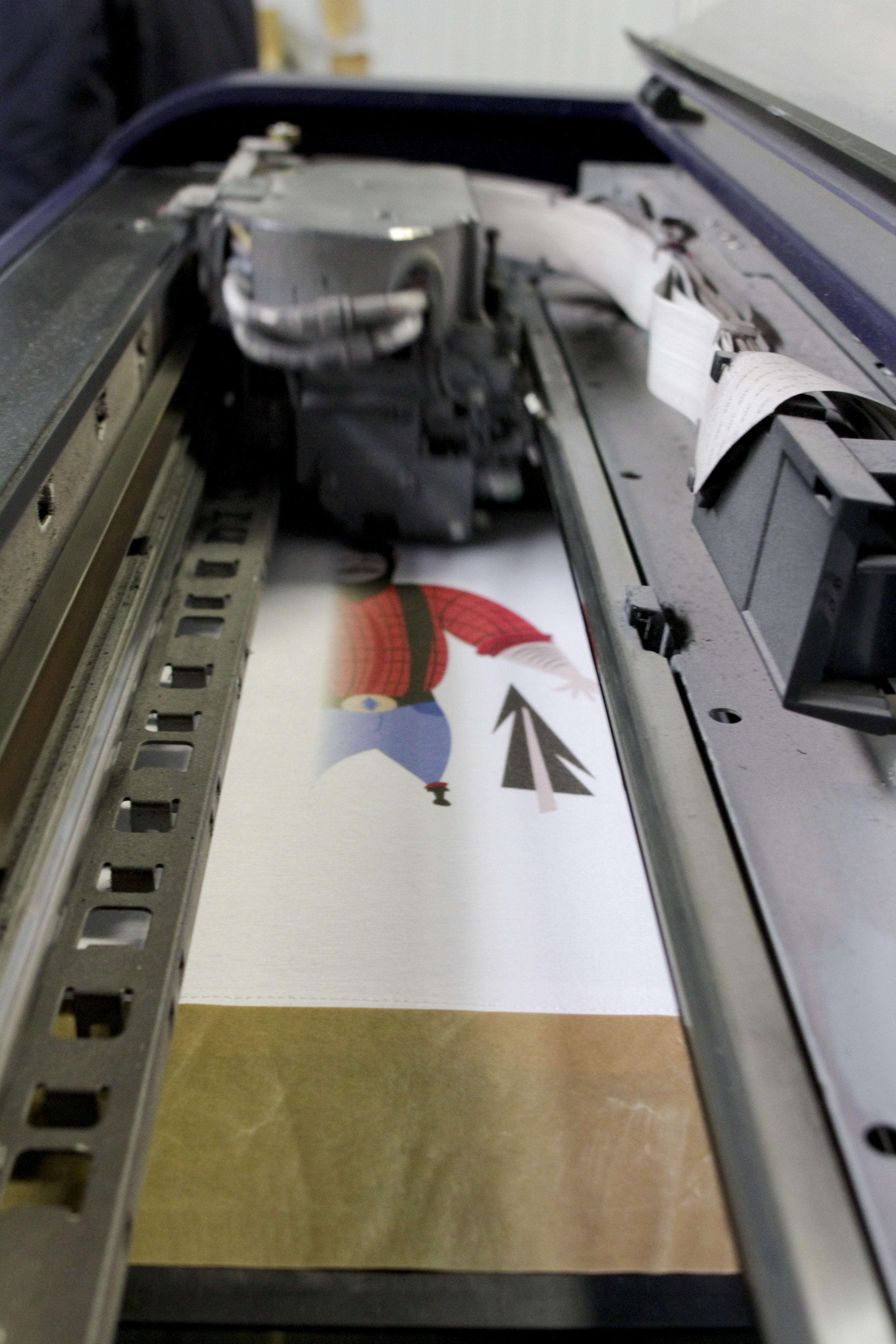
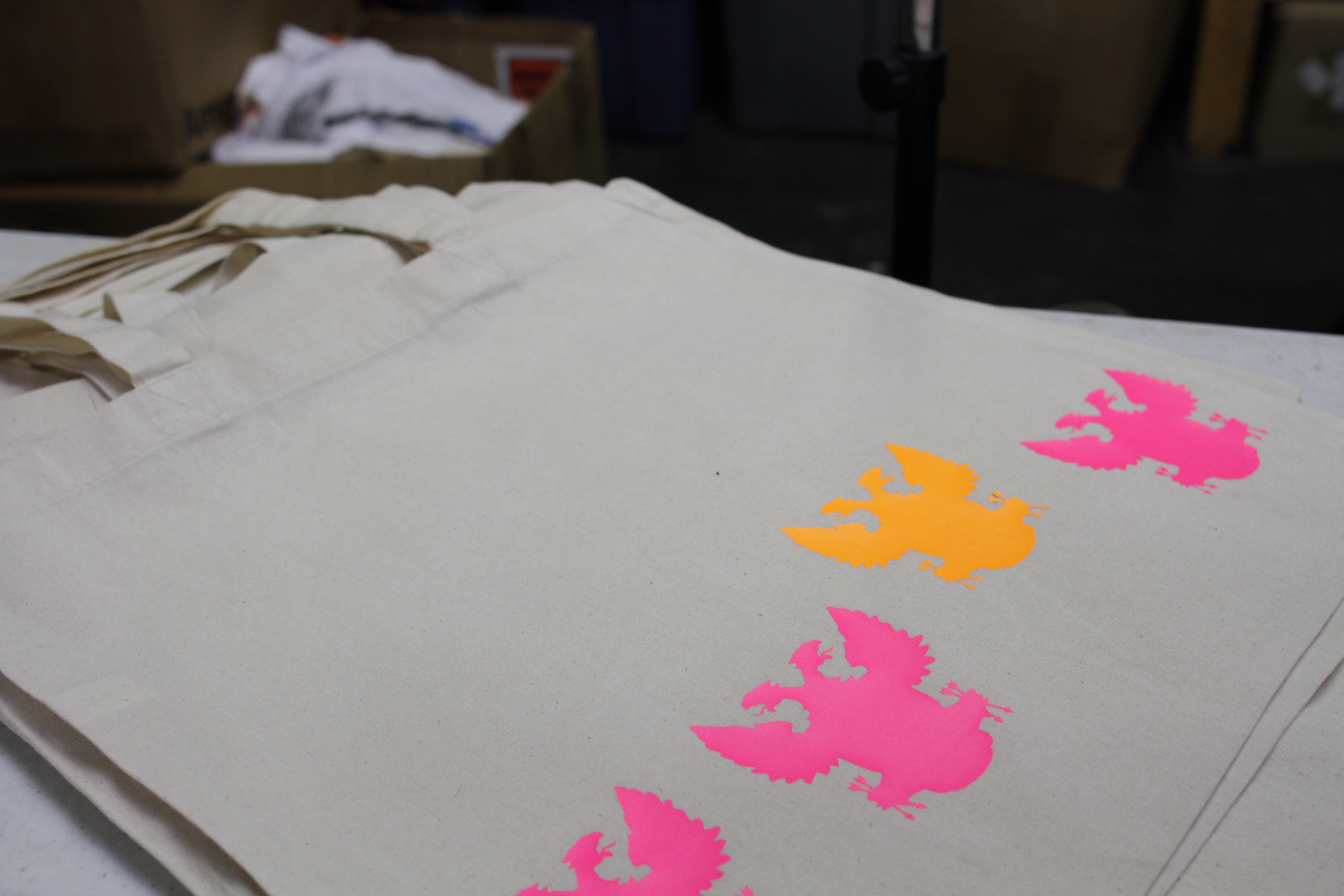
Fallen Arrows specializes in heat transfer process printing. Their no-minimum policy allows for people on any type of budget to turn their ideas into professional products.

Fallen Arrows Edits_7 aIMG_6252

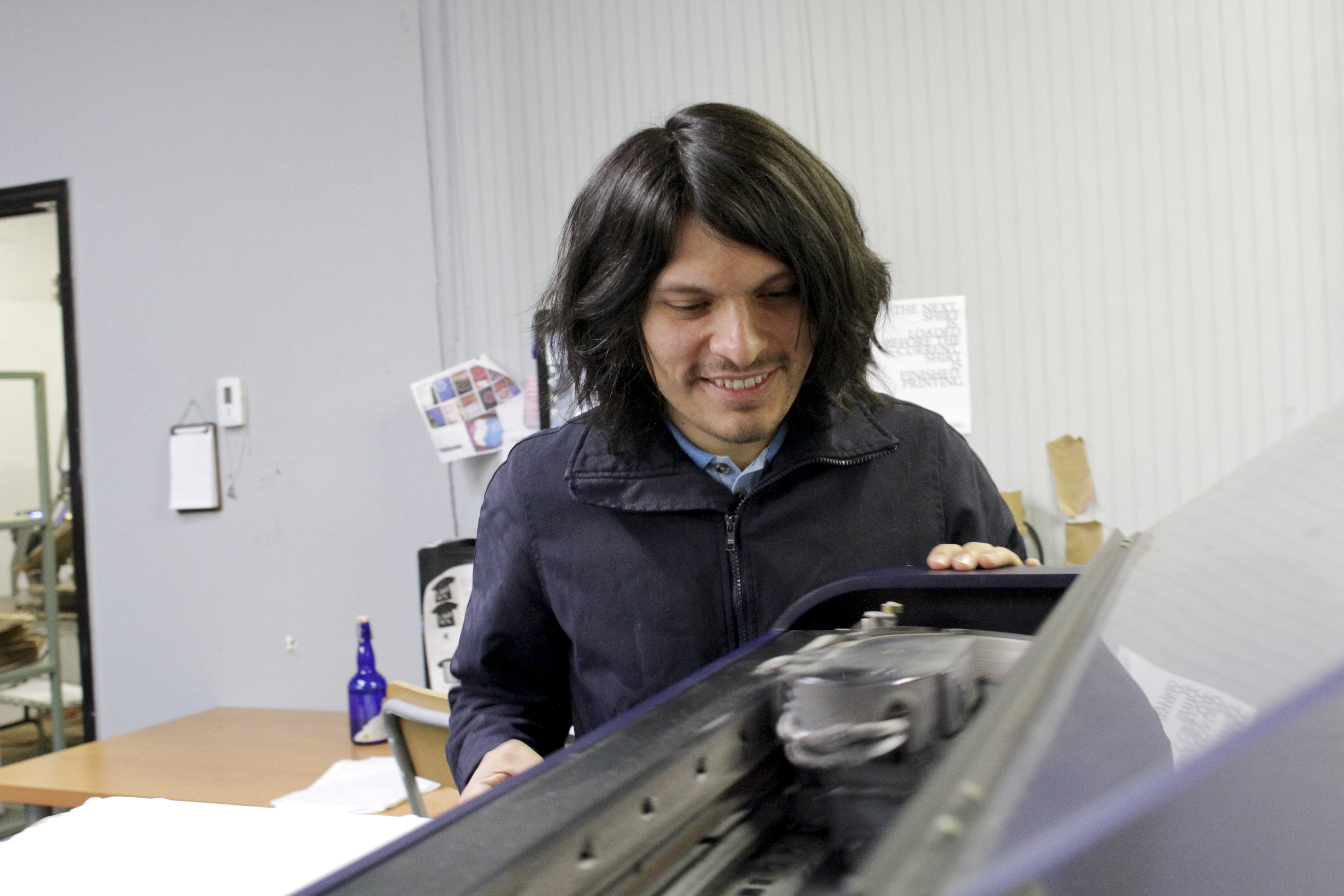
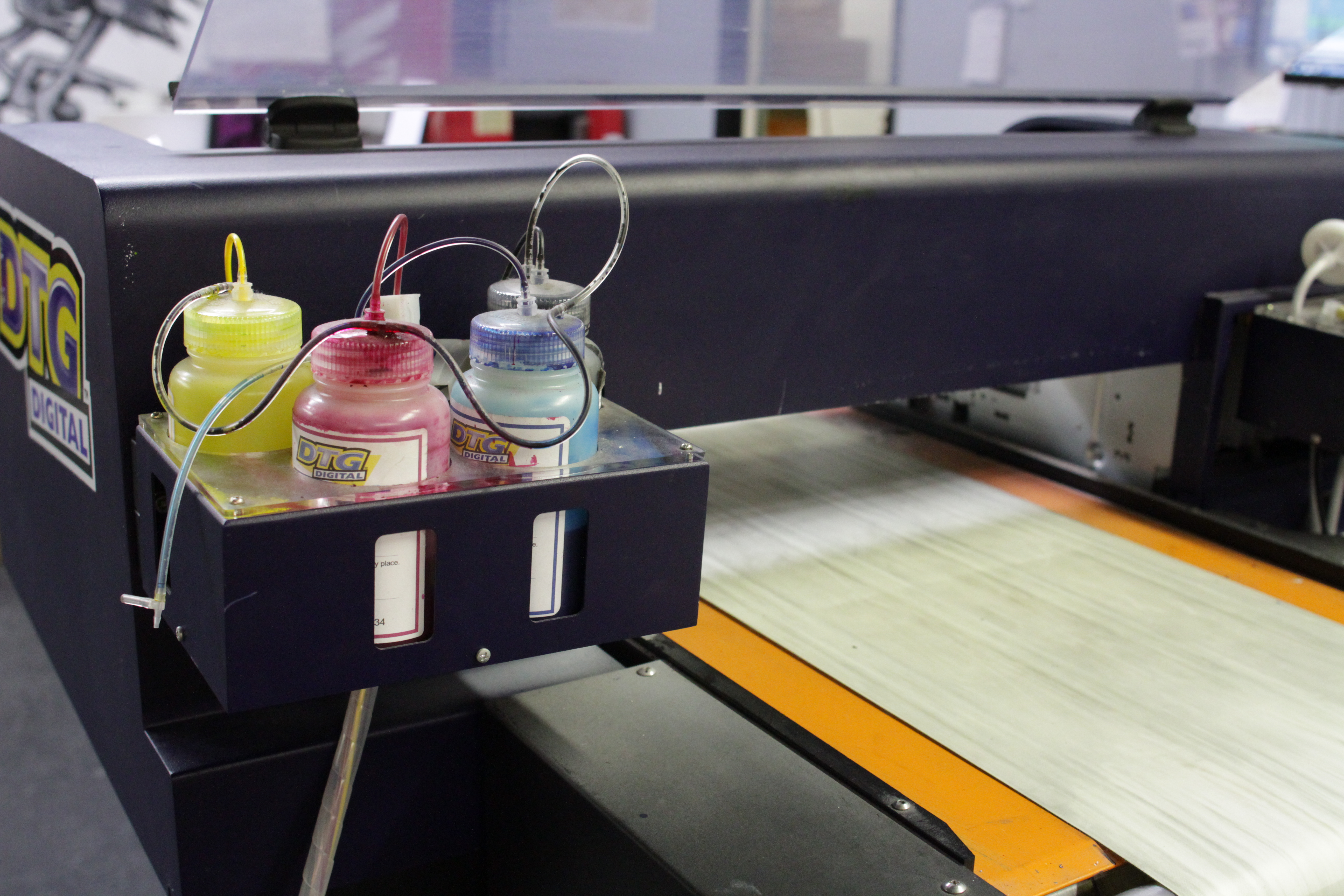
Print tech Marvin Figueroa runs the direct to garment machine & intern Sydney Blincoe applies heat transfers to shirts. Fallen Arrows internships are hands on and a great choice for anyone who would like to work in the print industry.

Edits20141104_0009 Edits20141104_0001

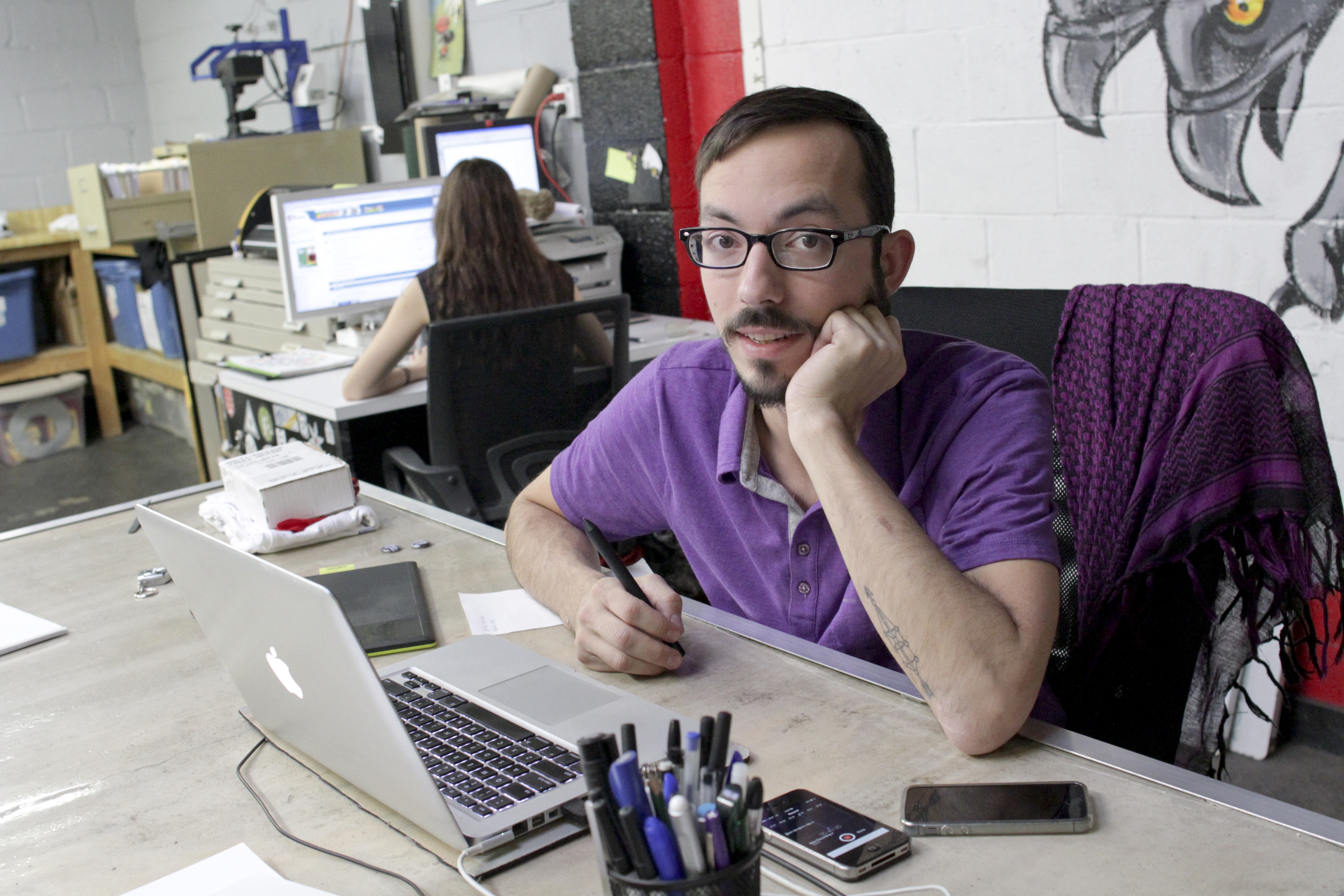
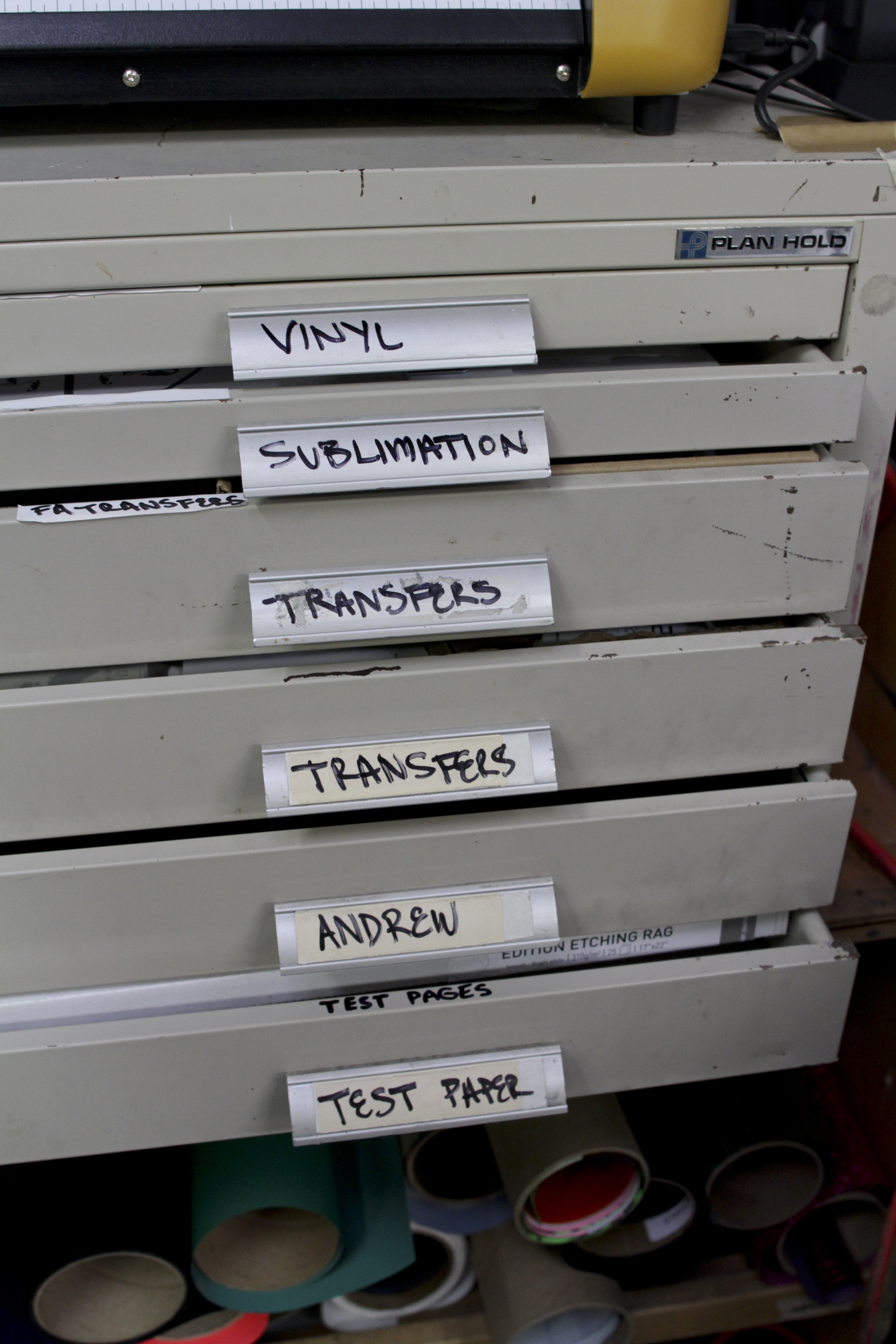
“We do digital textile printing, we also do pretty much any type of heat application with our heat presses. We offer vinyl, sublimation, banners- on pretty much any type of product you could want,” Andrew told me as we sat at his desk. “What else do we do, Brandy?” he asked after rattling off a long list of products.

“Oh I wasn’t really listening…” Brandy said, turning from her computer where she was busy working during our conversation. “Anything your heart desires.”

Fallen Arrows Edits_4 Fallen Arrows Edits_5

Customer Nick Madden talks with Andrew and Brandy about one of his designs.

The shop, a brain child of owner Tito Sands, has been in existence since 2007 and has been operating out of its current location at 840 Dekalb Ave since 2010 when Andrew joined the team.

Edits20141104_0006 Edits20141104_0007

Throughout the years, Fallen Arrows has supported the local art scene by promoting artists through their product line, providing a variety of mediums for selling art pieces, and by opening their new exhibition space Phase A on Edgewood Ave they are creating a platform for artists to show their work.

“It’s a white canvas for any kind of art or pop up retail or party that you want to do,” Andrew said of the space on Edgewood, one of the more hip up-and-coming strips in Metro Atlanta. Recently the space hosted a show called Psyche, a collaboration of artists Edgar Lituma Soto, Kole Rose, and Sarah Balter.

This coming week Phase A will host Krampus Comes to Edgewood, a Black Friday/ Small Business Saturday sale. The event will feature art and wares by local artists and promises to be a great time. Come out to support local businesses and artists and to meet the FA crew for yourself!

10685458_793777114015002_7581513402595518945_n

Black Friday Nov. 28th 10am-7pm
Small Business Saturday Nov. 29th 12pm-6pm
Phase A 482 Edgewood Ave, Atl, GA 30307

The Fallen Arrows print shop is open 10am-6pm, M-F and you can learn more at their website, Facebook page, or by calling them at 404-635-6367.

-Is


Creative Spaces: Raymond Carr

Uncategorized

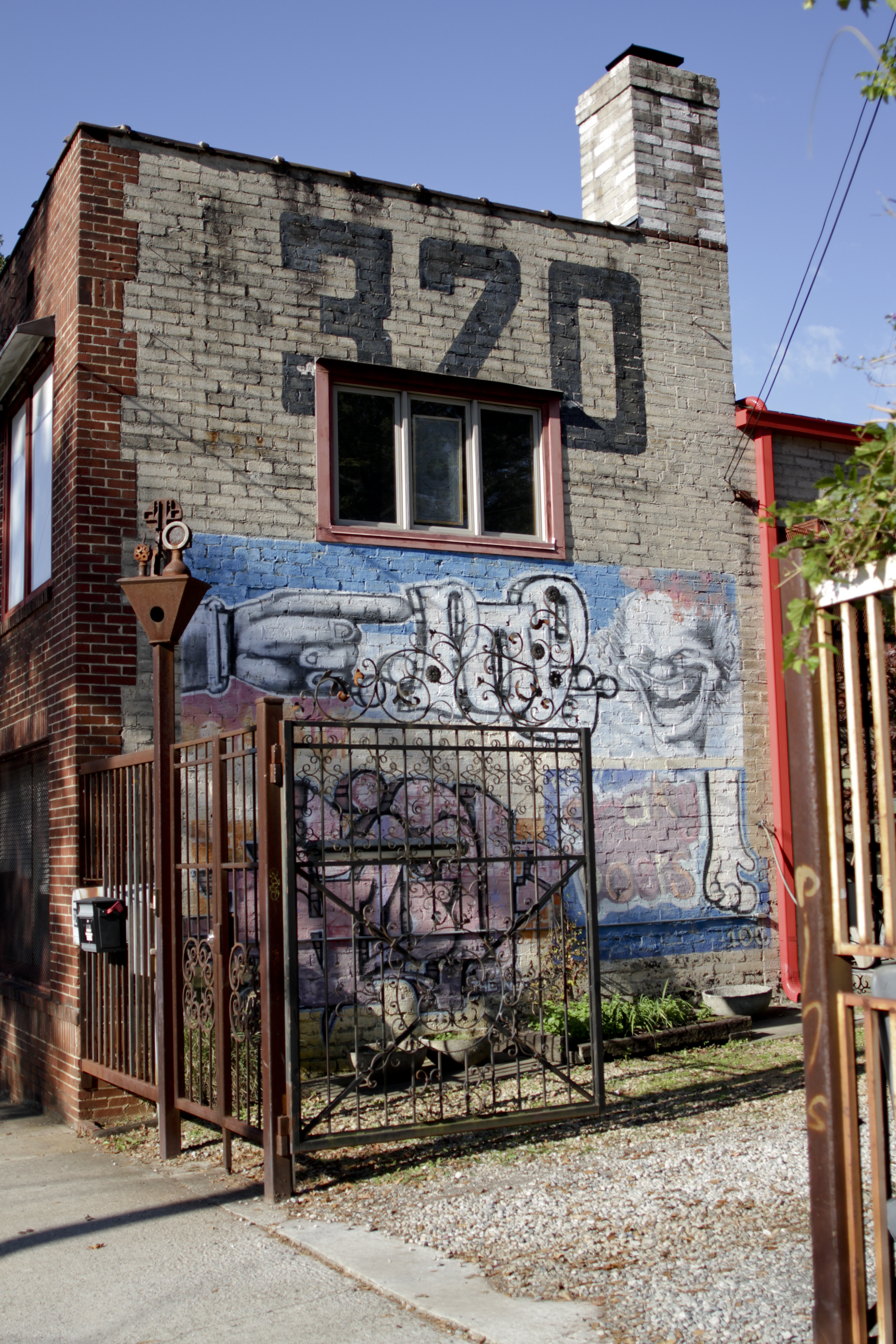
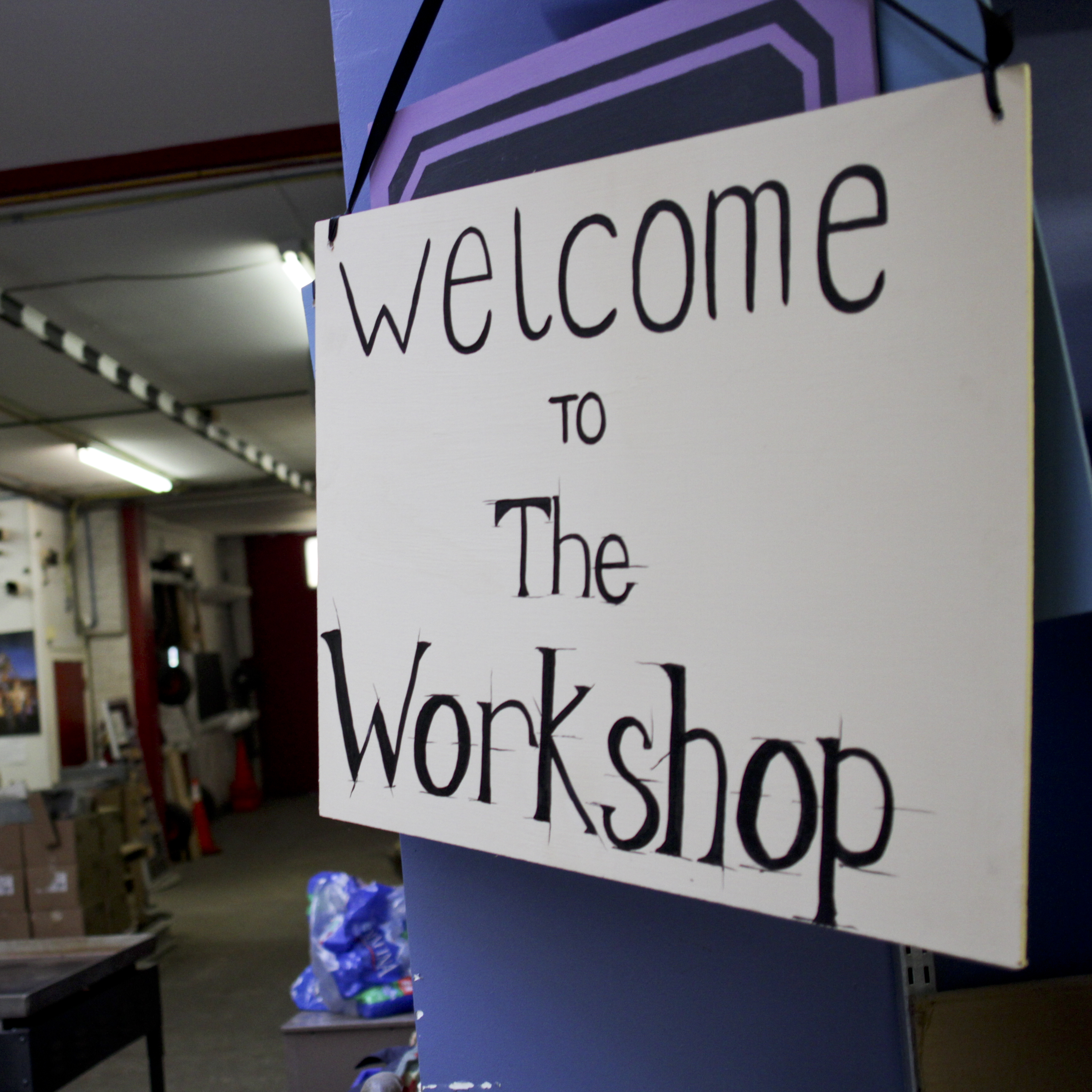
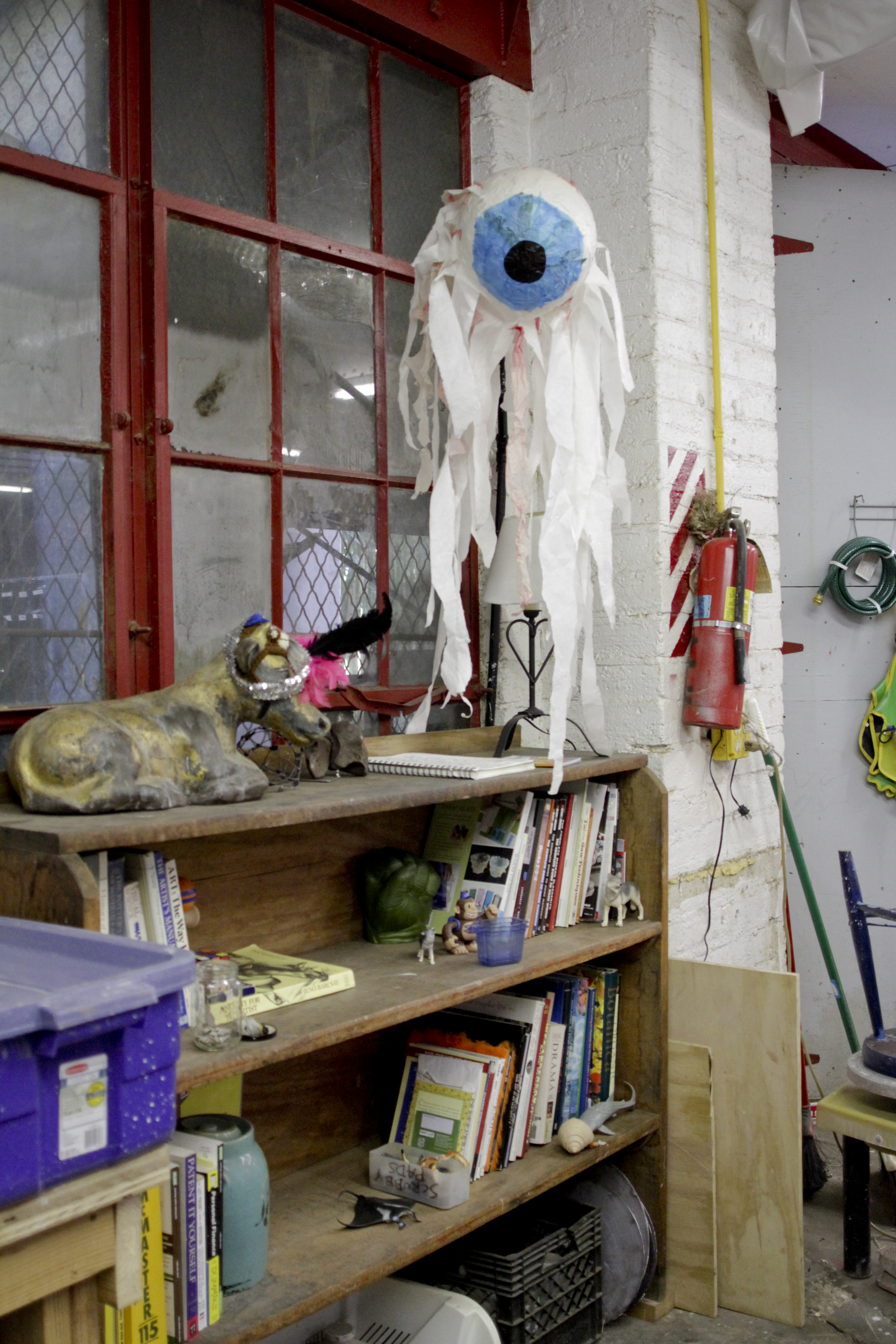
If you’re anything like me, you may have wondered at one time or another what mystery lays behind this door in Inman Park. Raymond Carr_25I was lucky enough to get a chance to see inside The Workshop when I went there to meet with Raymond Carr, my friend and local puppeteer in the early hours of Halloween day.

Raymond Carr_26 Raymond Carr_24

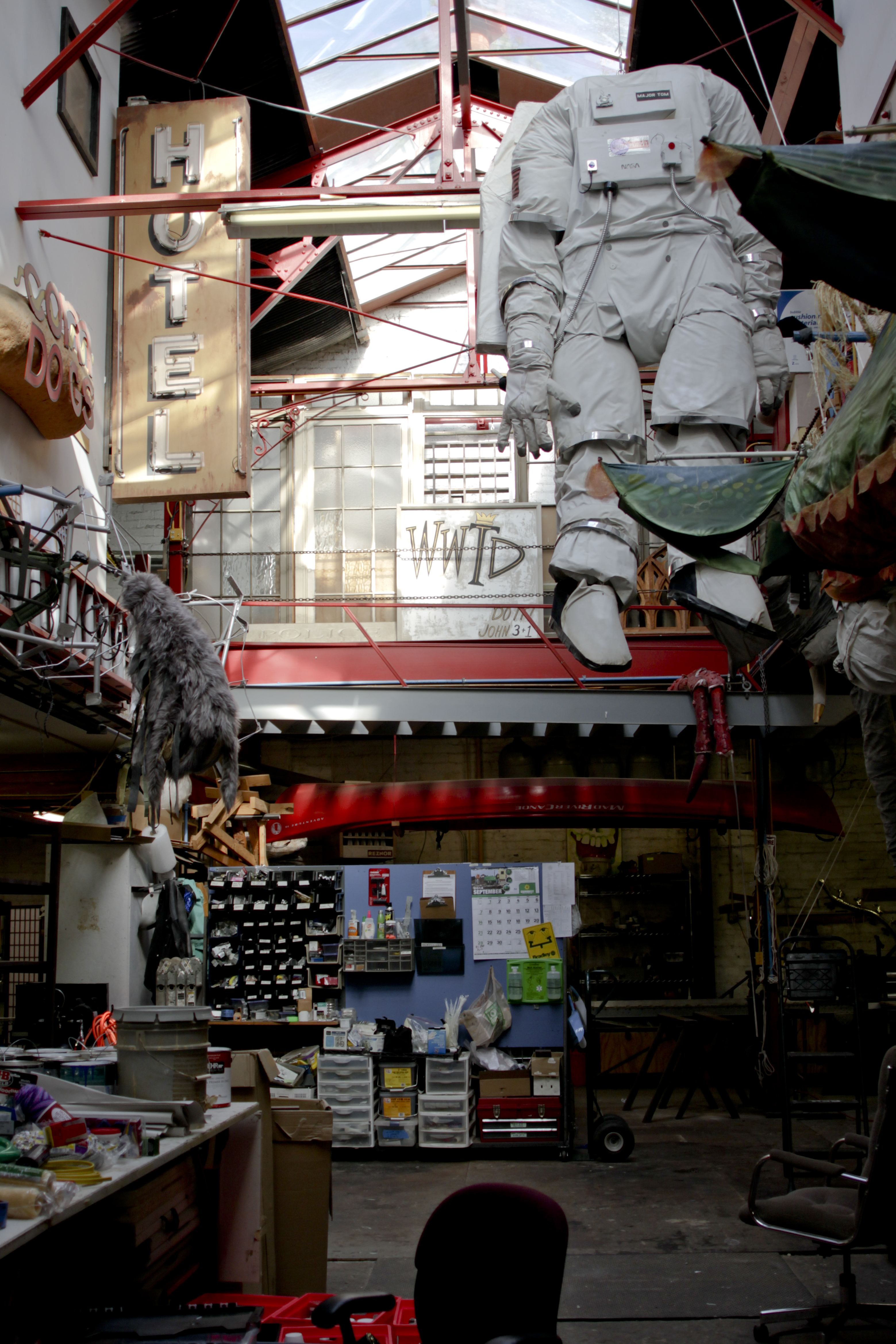
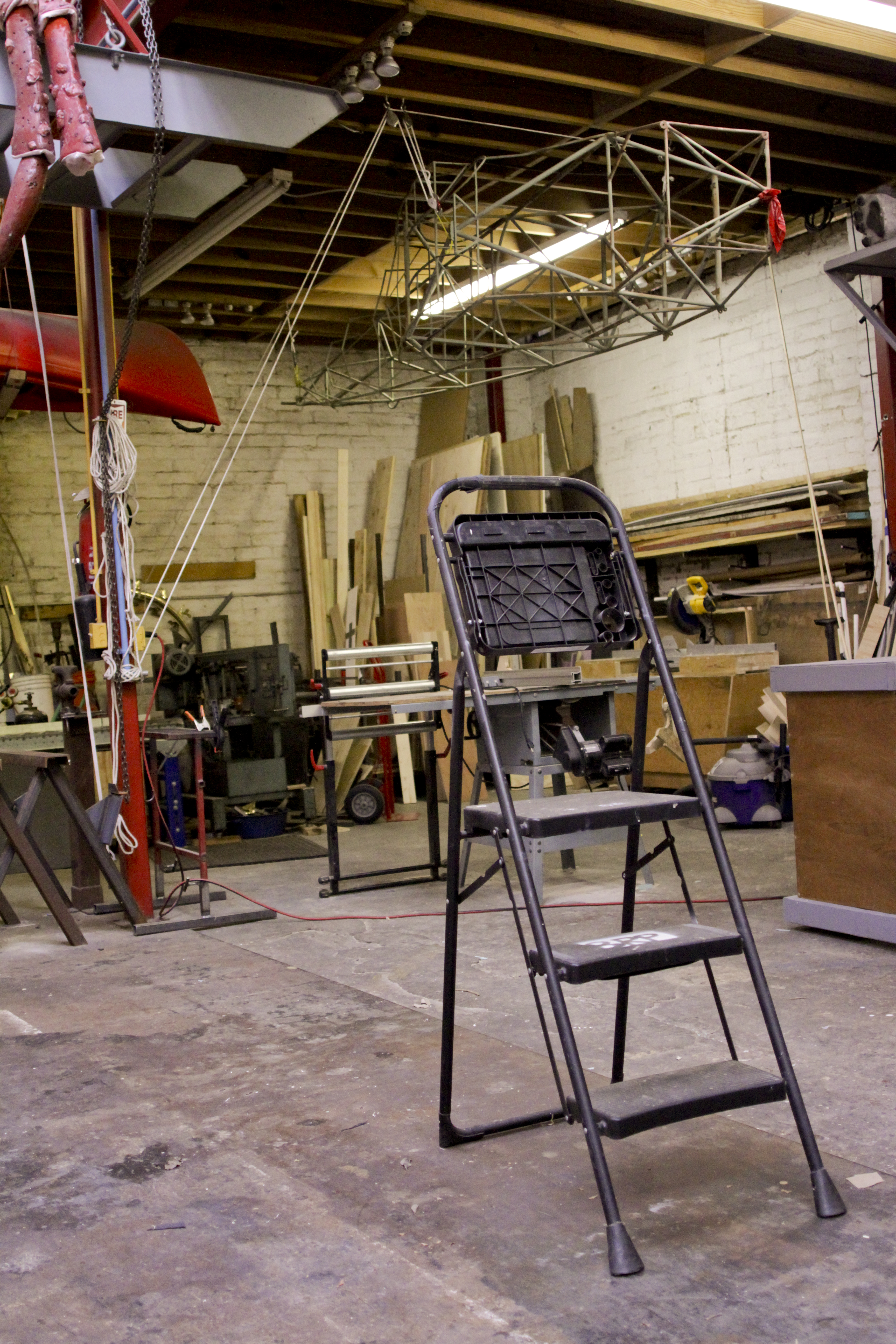
The space is a conglomeration of different things and areas devoted to different organizations. The tall ceiling features a few skylights that bring attention to the large puppets hanging from the rafters. Work areas can be found along each wall and recessed into every corner.

Raymond Carr_19 Raymond Carr_20

There are buckets of spraypaint cans, rolls upon rolls of tape, and tools for woodworking as far as the eye can see.

Raymond Carr_21 Raymond Carr_12 Raymond Carr_18

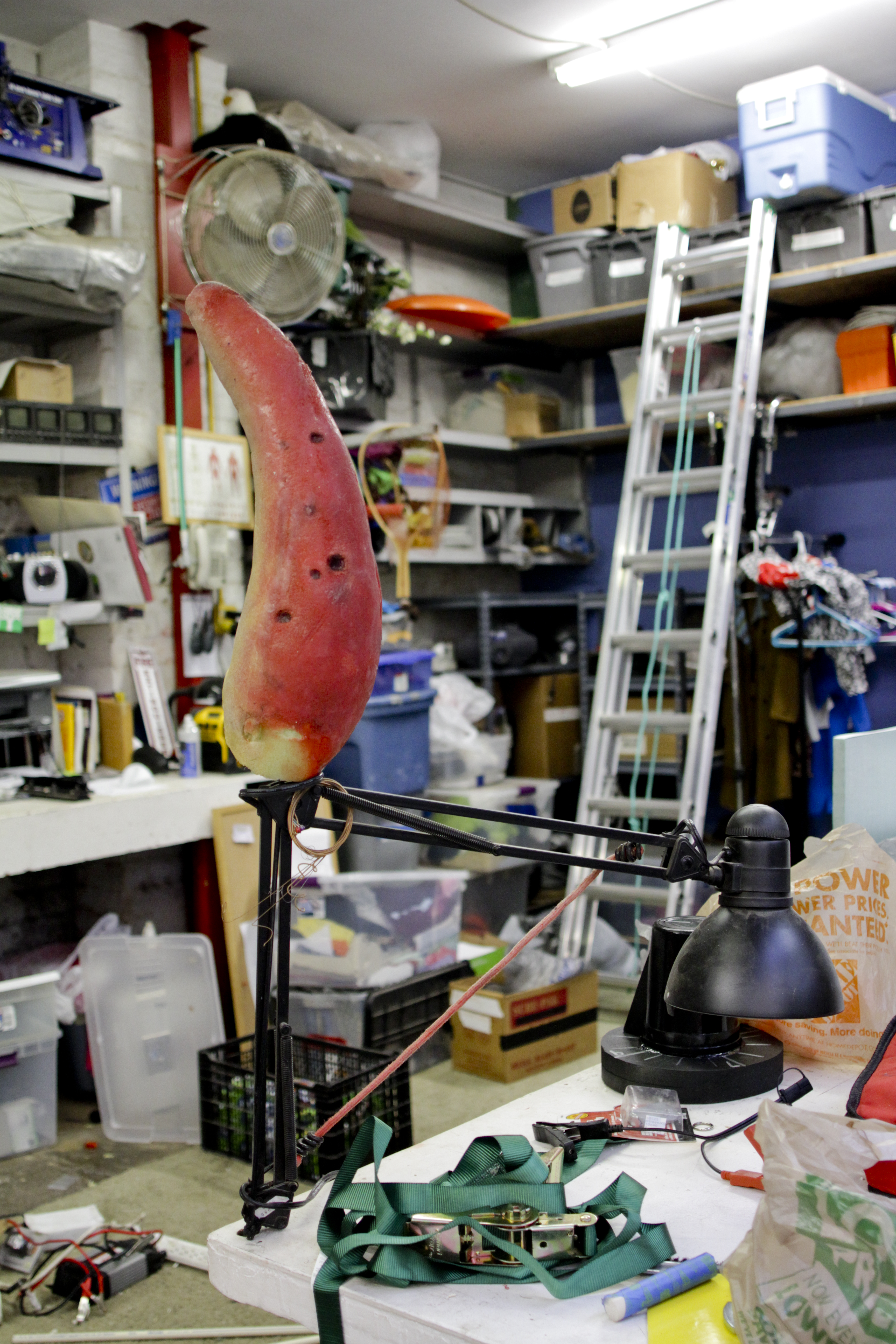
Hidden pieces of art poke out from shelves, lean over railings, and dangle from the ceiling. On any given workspace there are sketches, craft supplies and tools.

Raymond Carr_16 Raymond Carr_13

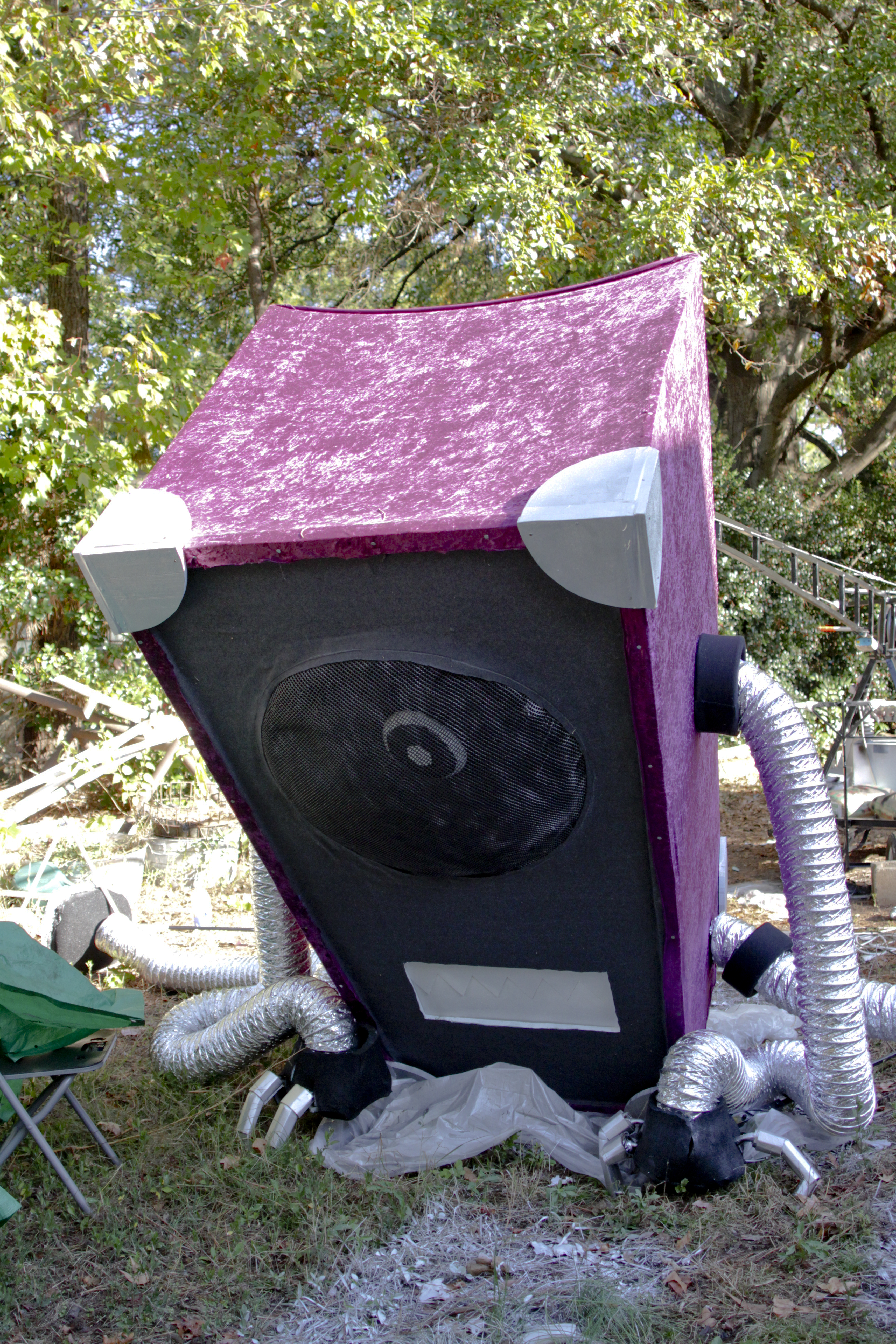
Raymond met me and brought me around to the back of the building to see the giant, one-eyed robot speaker puppet he was finishing up for the Scoutmob Halloween Party at the Goat Farm later that night. The lumbering structure sat leaning forward, silver arms and legs splayed out around it on the ground underneath it. We spoke for a while about the difficulties of building this puppet in particular, including the mechanism sticking out of the back that would act as the suspension to raise the monster up and make it walk. He showed me the pulley system that made the eye move in its socket and made the mouth open and close, as well as gave me a run down of his loyal team of puppet masters.

Raymond Carr Raymond Carr_6

Back inside we sat down and spoke about his career. “I’m a freelance artist and I’ve been doing this since I was a kid,” he told me. Raymond is the son of children’s ministers who worked in a megachurch, and that is where his desire to create began.

Carr relocated from the West Coast to Atlanta, received his degree in film from Georgia State University, and interned at The Center for Puppetry Arts where he eventually became a puppeteer and focused on experimental puppetry theater.

The Center for Puppetry Arts is the largest organization dedicated to the art form of puppetry in the nation, and includes a museum, education center, and performance space. The center is located in midtown near Atlantic Station and is open 7 days a week. Click here to see their Facebook page, learn more about upcoming events, and check it out for yourself!

“That was my first real chance to experience a full time artist’s life,” Raymond said of the experience, which helped to set the tone for his career path. Later he began working in the film industry as a PA and then from there worked his way into the art department on local film sets.

Raymond Carr_7 Raymond Carr_14

Raymond’s career took a leap when he became involved with a show called Lazy Town for which he spent a year living in Iceland. The production is an educational musical children’s television program utilizing a talented multinational crew and is a combination of live action, puppetry, and CGI animation.

In 2006, Raymond began working with a touring show called Walking with Dinosaurs on the North American tour. The performance was one of the largest touring shows in the world at the time. “It was like Springsteen, and then U2, and then us,” Raymond told me. The program is based on a BBC television series and incorporates 20 life-size dinosaurs designed by scientists and master puppeteers. It was a huge production with many moving parts, including 25 semi trucks and 75 crew members.

So there he was, 26 years old, traveling and living abroad for an international live performance with life-size dinosaur puppets, working as the head of animatronics puppetry for two years.  According to Raymond, the crew referred to the animatronics group as voodoo puppeteers because they operated remotely, he told me with a laugh.

I remarked that 26 is pretty young to have that much responsibility. “Yeah. It was a weird time because I was also the youngest person in my department,” Raymond conceded, “So it got awkward at times.”

Raymond Carr_10 Raymond Carr_22

Upon his exit from the show, Carr returned to Atlanta and hit the ground running in film and production and started his own production company, Ninja Puppet Productions. You can see some of that work at their website and Facebook. With seemingly limitless energy, he threw himself into theater and film, and recently with his performance partner Raymond Tilton put on a large, successful theater performance called This Darker Life at the Goat Farm’s Gibson Yard in late October.

The show, a performance immersion devised from five original stories, was a coordinated effort with five artists. Among other challenges, Raymond spoke of the logistics that go into a performance that included aerial projections, giant puppets, multiple storylines and locations, and nearly total darkness. Structurally, the performance was unusual in that the 60 person audience sat on a platform in the middle of the room in a spotlight, and the audience’s platform itself rotated periodically to face different playing areas. The action occurred around and throughout the audience, and involved a cast of 10 people.

“That doesn’t really happen very often so we were all just sort of making it up as we went along,” Raymond said, referring to the lazy Susan aspect of the production. “When it works, it’s great… when it doesn’t work it’s just terrifying and awful,” he laughed. “It worked, fortunately, and it was a big success.”

Recently, Raymond also did some work in San Francisco for Dropbox, creating an online recruitment video using puppets. For that campaign, the company interviewed their employees about what it was like to work at Dropbox and then he built puppets based on their mannerisms and features. Unlike the majority of his work, this was building characters based on real people. It would seem that in the line of work that Carr ascribes to there are always new concepts, new ideas, and new challenges.

I also asked Carr about his experiences within the puppeteer community in Atlanta, noting that he was one of the few people I knew who actively worked in that field. His response and breadth of knowledge at once surprised me and was exactly what you would expect from someone like Raymond.

He told me about the variety of roles for puppet workers, including those who like himself work in “muppet style… which is what you’d consider traditional style puppetry,” as well as children’s performers, the puppet slam network, puppetry for film and television, late night adult puppet shows, the Dragon*Con puppet track, and the local theater community such as Dad’s Garage whose performances often incorporate puppetry.

“We’re a pretty tight-knit and inclusive community,” Raymond said.

Raymond Carr_15 Raymond Carr_17

You may have seen SpeakerBot at the Goat Farm this Halloween, or maybe you ran into the hulking Space Man from last year’s celebration or during the Lantern Parade, or perhaps you’ve seen some extra large marine life puppets hanging around the aquarium- however you come across Raymond Carr and his work, you’re not likely to forget the experience.

Check out his Facebook page and website to keep in the loop about upcoming events and performances!

-Is

Creative Spaces: Ann-Marie Manker

Uncategorized

Ann Marie Manker_26

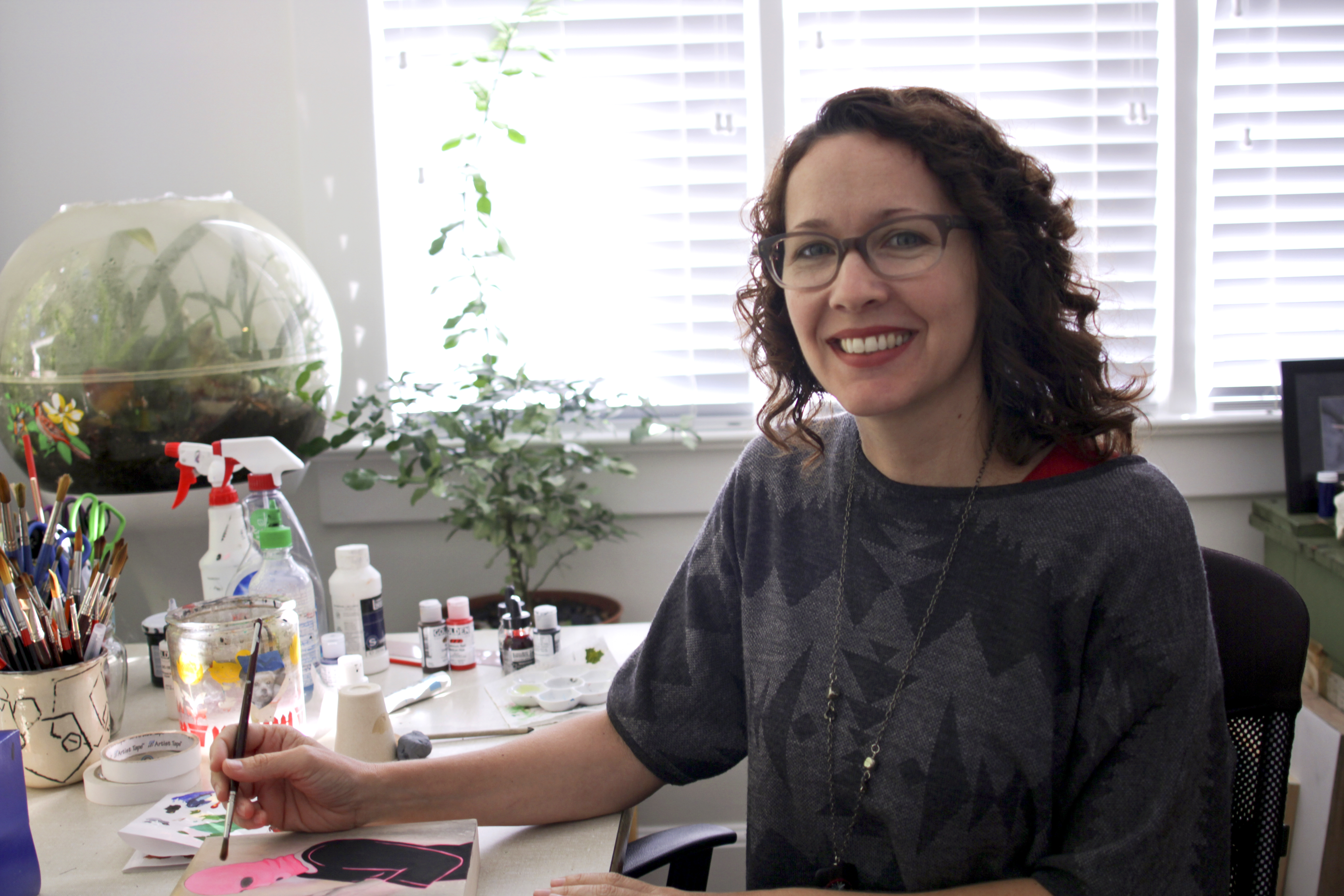
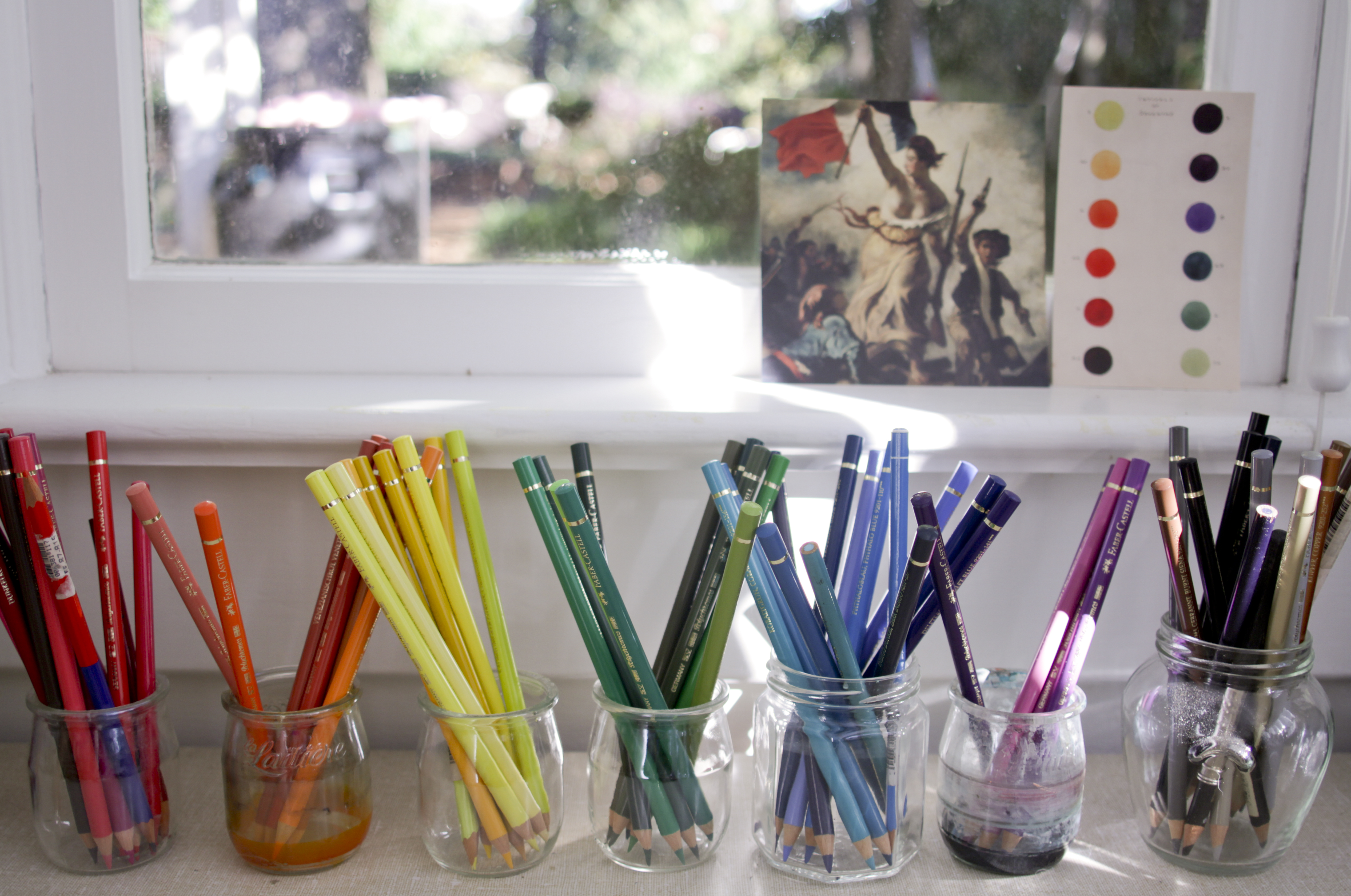
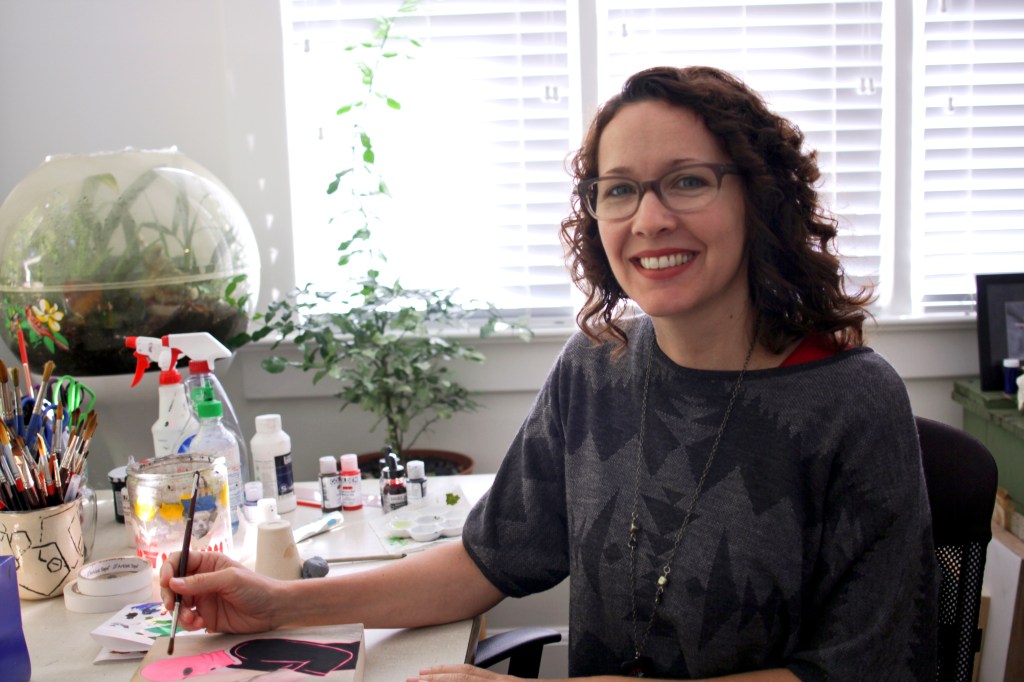
On a Thursday morning in late October, I left with my camera and walked the few blocks to visit Ann-Marie Manker at her house in Inman Park.

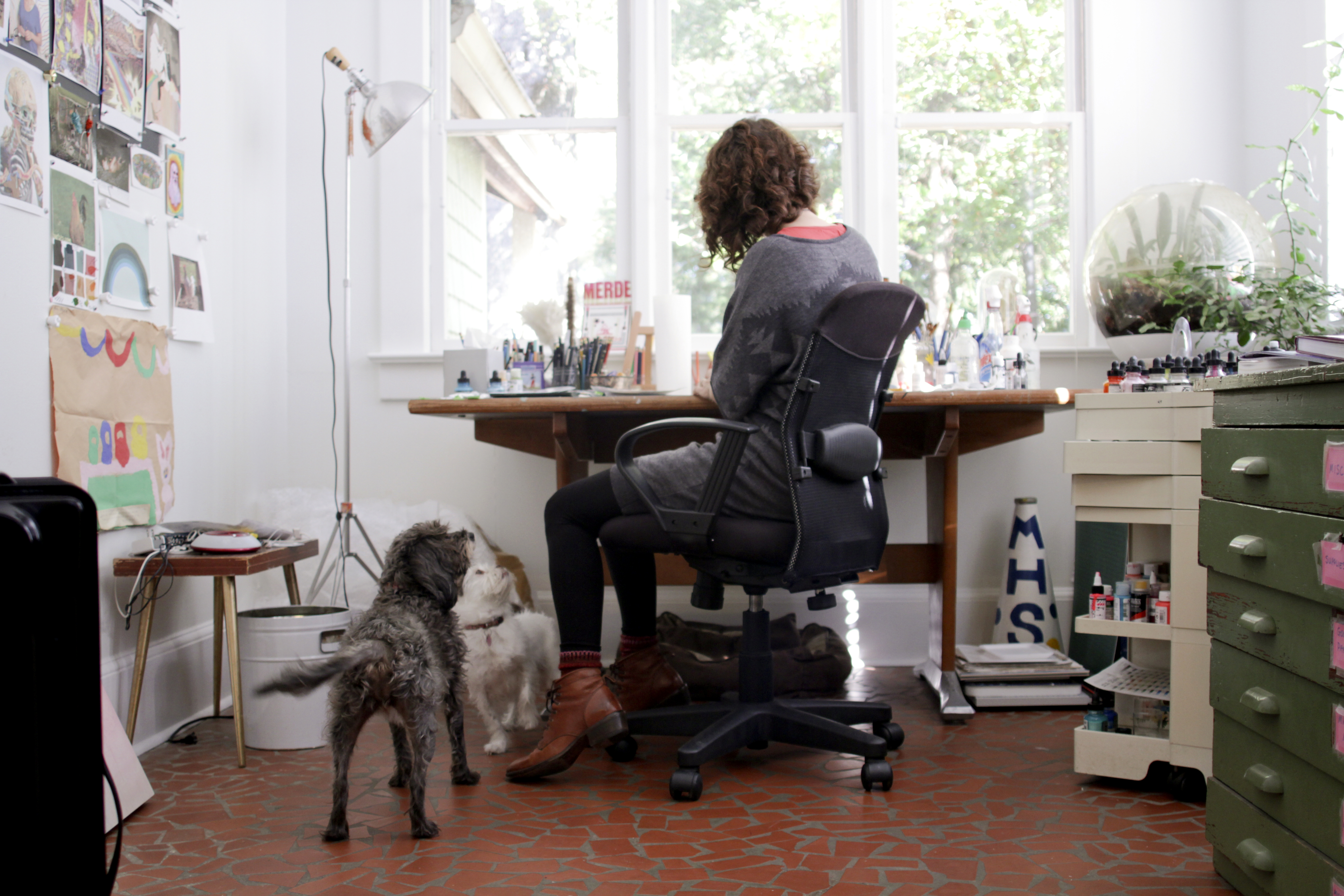
The building is quite grand, situated comfortably back on the lot with a comfortable and wide Southern-style porch that had been decorated for Halloween. Upon my unlatching of the gate my presence was announced by two pups barking wildly inside. I was greeted at the door by Ann-Marie who welcomed me and introduced me to her furry friends. Inside, the house is just as airy and regal as it would seem from the outside, and I found myself having to reign in a bit of slack-jawed wonderment. She led me past shelves laden with knick-knacks, piles of art books, and down the hall to her studio.

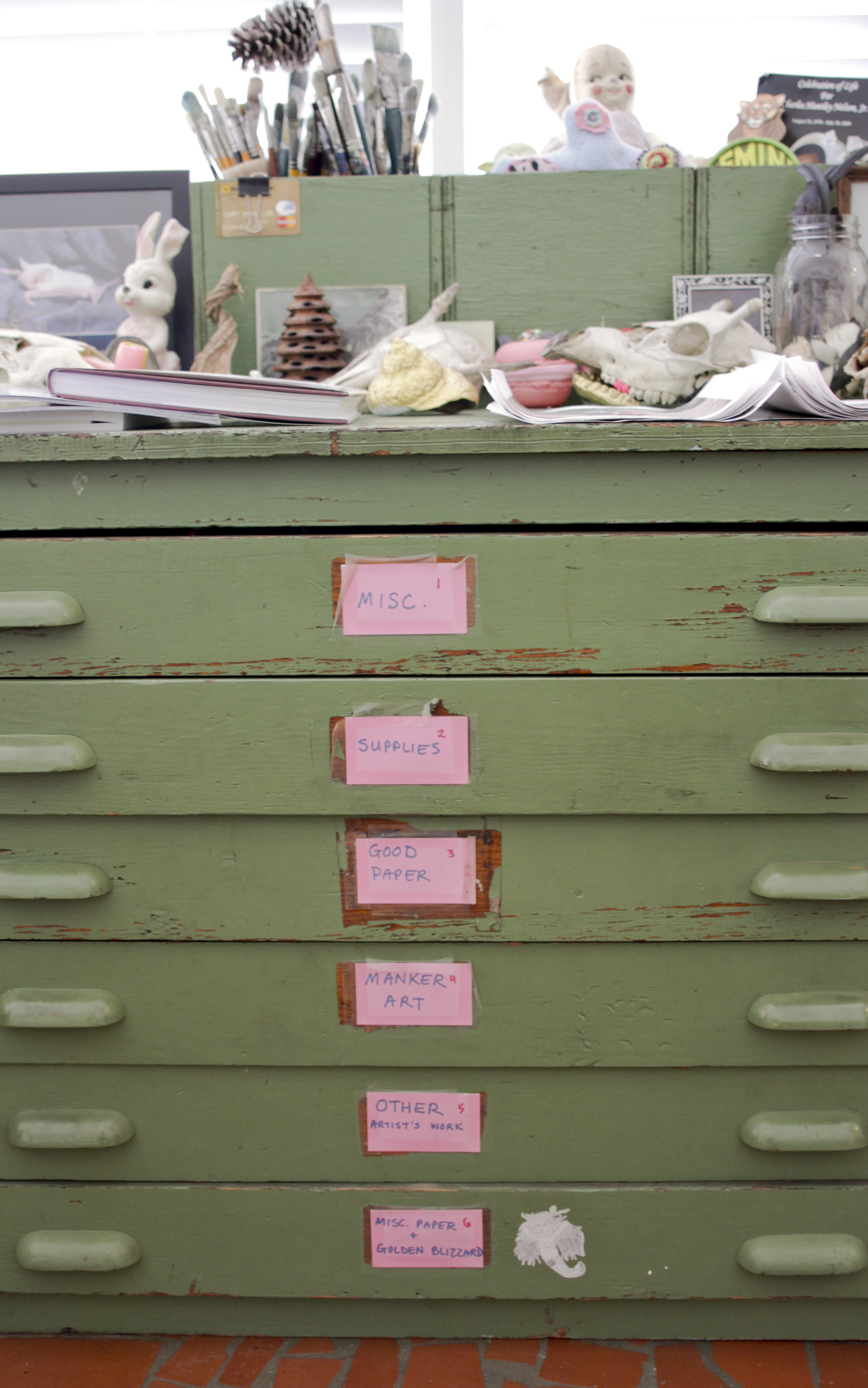
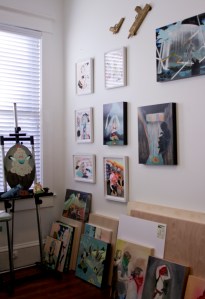
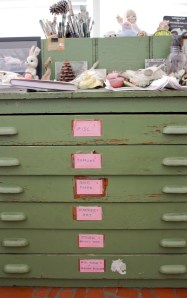
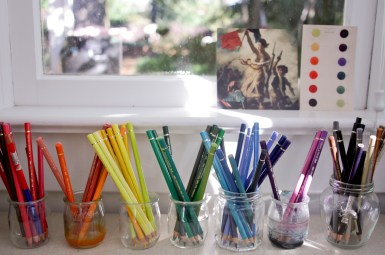
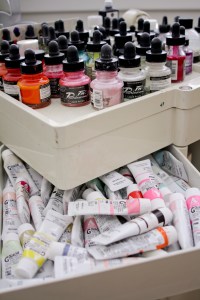
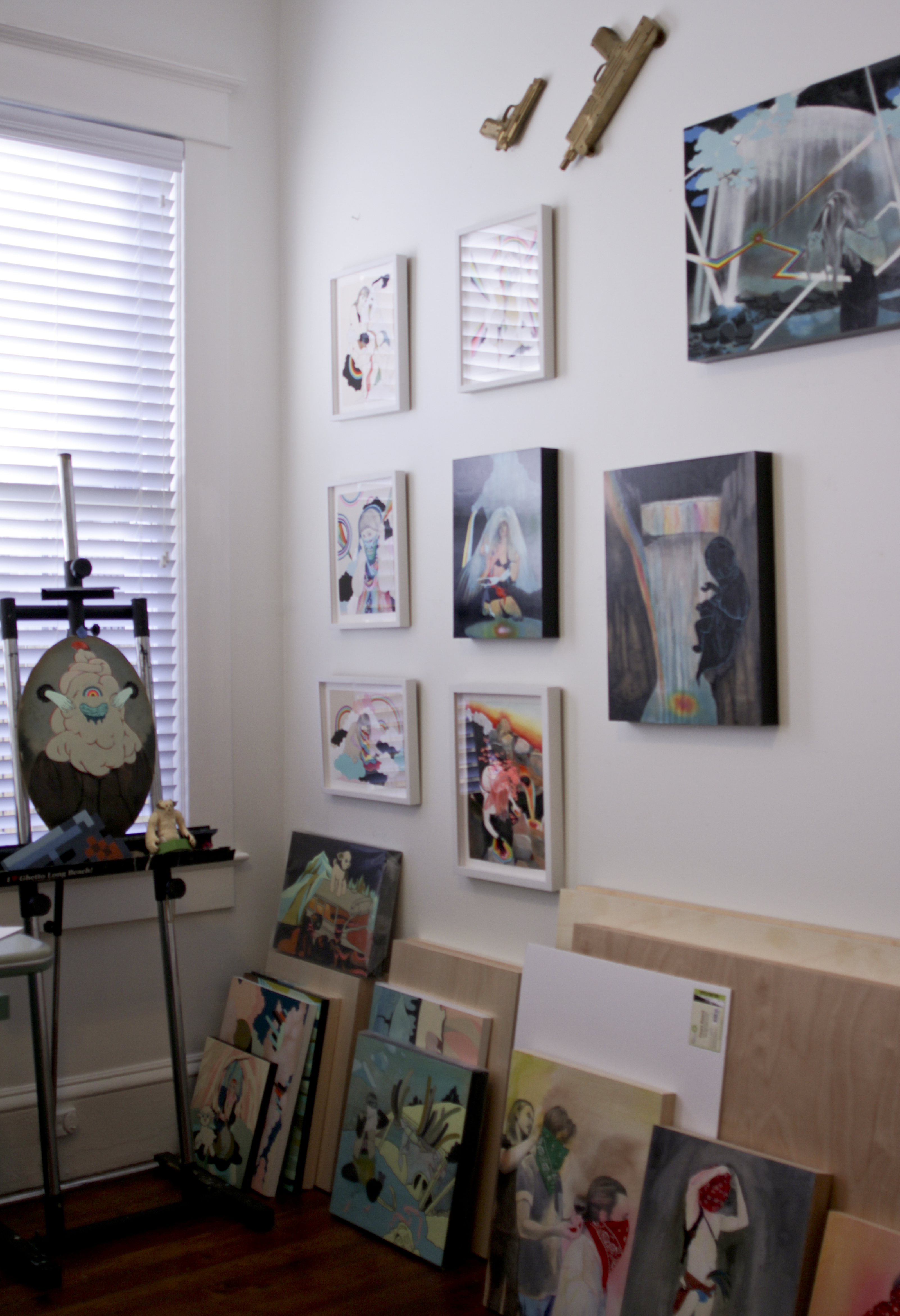
The studio itself is very bright with two walls of windows. There are several working areas, including an easel in the corner, small table in the middle of the main space, computer table, and then a more formal painting desk at the end of the room in front of windows that face out into the green backyard. At once it’s both calm and yet also a busy space, filled with her own work as well as pieces by other artists, books, art supplies, and trinkets.
Ann Marie Manker_8 Ann Marie Manker_12 Ann Marie Manker

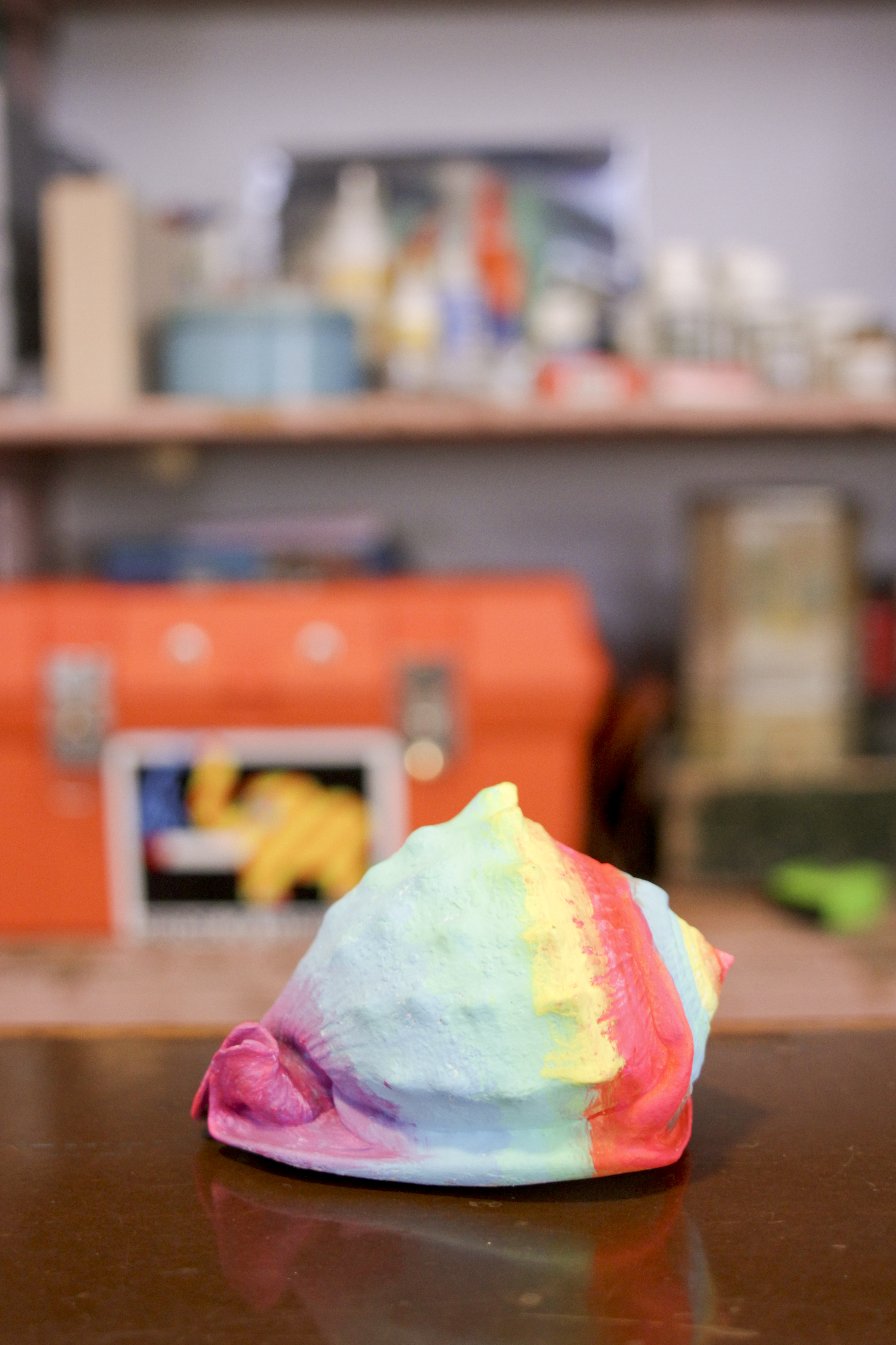
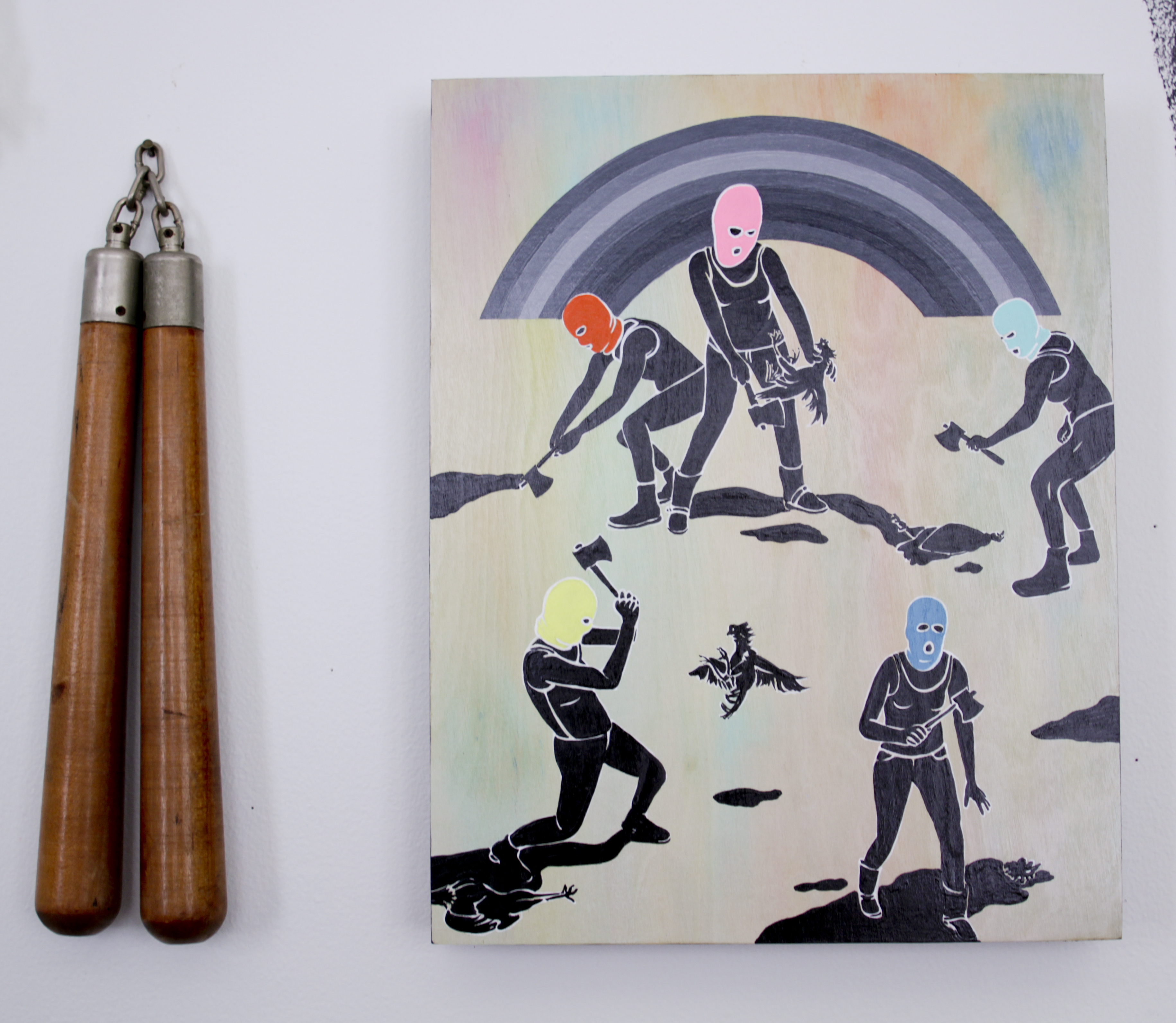
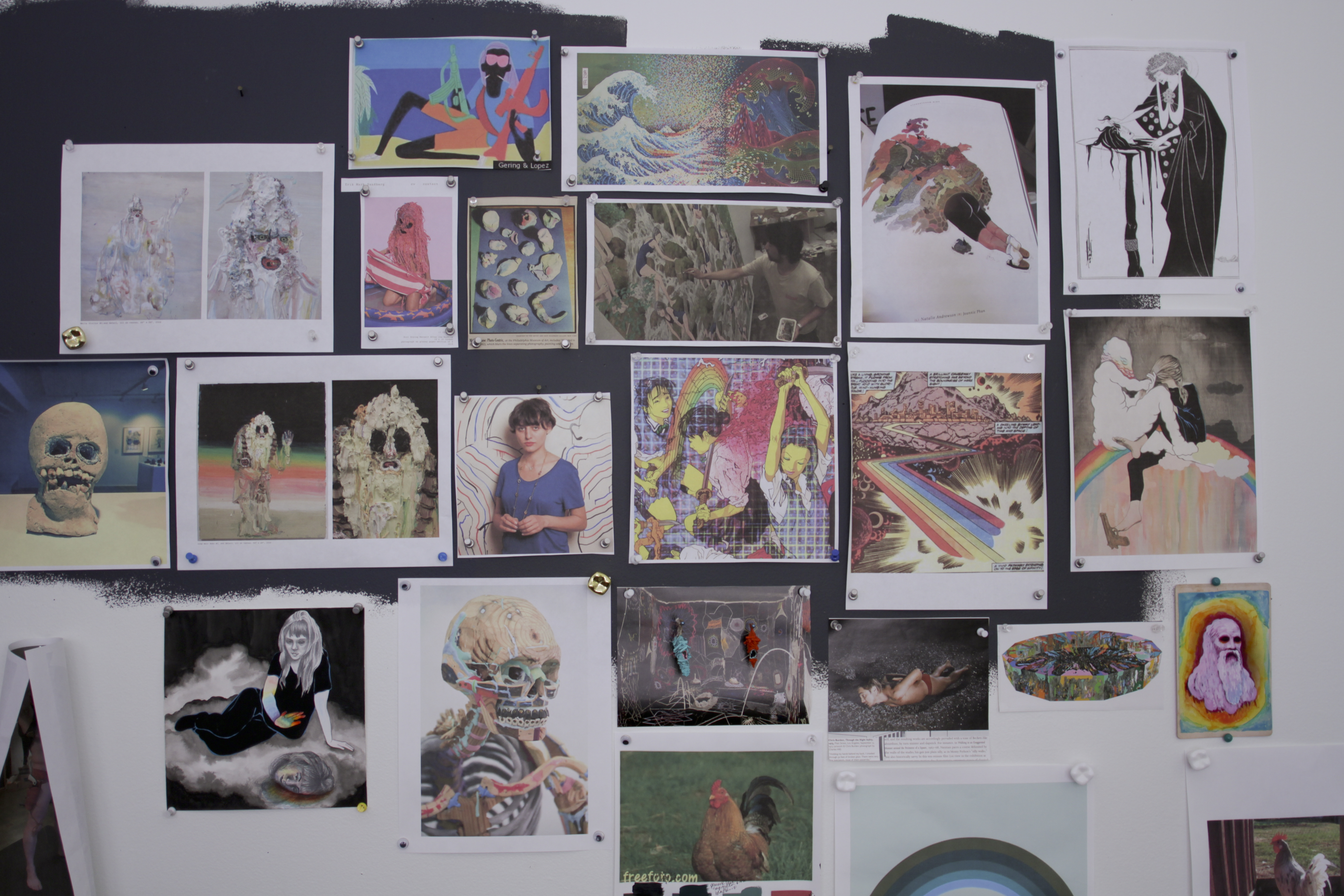
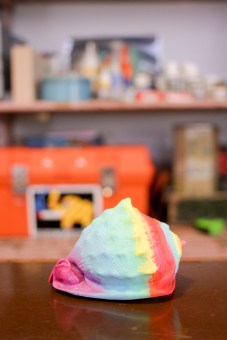
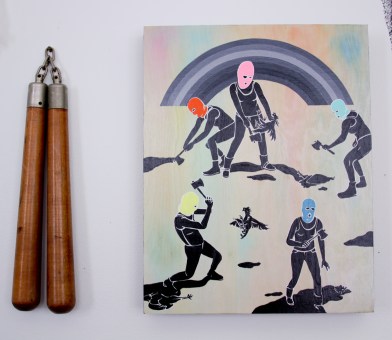
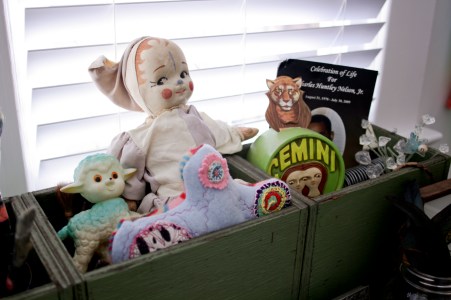
It’s one of those spaces where every wall and every corner holds something noteworthy. I’m sure that each item has a story and a relevance. Some of the items that she pointed out in particular were totems of her studio, as she referred to them. This included a pair of nunchucks hanging amidst paintings and a rainbow colored shell which sat in the middle of the smallest table upon entering. She explained to me that it would never feel quite right there without that shell on that table, and that in fact there were limits to what else she would allow to be on that table. Though to outsiders these might just seem like objects, to me this indicates the sacredness with which she regards her artwork and process.
Ann Marie Manker_18 Ann Marie Manker_14

We sat together for a while and discussed her career as an artist.

Manker grew up in Southern California, and I asked her about her beginnings as an artist. “I actually feel like I got a late start, I started in high school,” she explained. “I can’t say that I was a young child and knew that I was going to be an artist. It took a while.” It was one fateful art elective that sparked her passion, and she has been making things ever since. The path wasn’t always a clear one, but each step has brought her closer to her goals.

Ann Marie Manker_10 Ann Marie Manker_9

“I kind of didn’t know exactly what to do because- I knew I had to create art, it felt like it was a curse. I couldn’t not paint- I had to do this thing. But what career could support me doing that? So, I guess I went the practical route thinking that teaching would be the way to support my art because I would have summers off and be around art.”

It was a conscious choice, and an important one, to leave LA and move to Atlanta. “It’s a long story, but I picked Atlanta. I felt like as an artist and a teacher I could survive here on my own, financially, all by myself. Versus I felt like if I stayed in LA I’d be too dependent on my parents or it would be too expensive. I needed that freedom, that autonomy from them,” she said.

Ann Marie Manker_1 Ann Marie Manker_3

Ann Marie attended the University of Southern California in Los Angeles where she received her bachelor’s degree, then moved to Atlanta and attended Georgia State University first for teacher certification and then later returned to State to pursue her MFA. For several years she taught first at public high school as an art teacher before transitioning to teaching at the collegiate level first at GSU, then the late ACA, and now at SCAD Atlanta. In total, she’s been teaching for nearly 20 years, and I asked her of the impressions of being an art teacher in those three very different environments.

“I had wonderful experiences at all the places, but SCAD definitely has the resources and funds to have an awesome studio environment for the kids,” she said. “In high school it was really more about classroom management and discipline, and you would go to work every day for those few art students who were really there to do art. That was your focus.”

Surely, teaching at a school like SCAD would be in some ways more rewarding because the students at a prestigious private art school would be more committed than students at public schools, right?  “You get all kinds of students, even in a place like that,” she explained. “And you know, really just in life, people born with raw talent, there are fewer of those than the rest who just have to work really hard to get there.”

Ann Marie Manker_20

Not only is Manker a professor at SCAD Atlanta, she is also an exhibiting artist and member of the local art community. Becoming a part of that world was a mostly organic process, she explained. “My experience basically out of grad school- I just started showing and everything sort of snowballed from there.” Manker is currently represented by Susan Bridges at Whitespace gallery, an agreement that she didn’t anticipate but has proven to be a very good fit for her.

It was not only being a participating artist in spaces run by other people that boosted her career, however. Ann-Marie also became involved with running a space herself.  “In 2000 I opened up an alternative art space called ArtSpot and that propelled me into the art community which was fantastic. I met curators and artists, and I just knew everyone and organized shows… It was incredible.” She spoke of the successes and struggles of maintaining a gallery in what is now the Sampson Street Lofts.

“In 2003 we won best alternative art space in Creative Loafing,” she told me. “It’s funny now that 10 years have passed because when new people arrive into the art scene they have no idea that was something that I did.” Additionally, Ann-Marie played a role in the first year of Kibbee gallery, wherein she assisted the owners Preston and Ben with curating and maintaining the space.  We spoke about balancing multiple pursuits. “I always feel like the art space and my involvement with running a space is what gets sacrificed first,” she said, explaining that she would always need to work and make money and that she would never stop doing her own personal artwork.
Ann Marie Manker_8 Ann Marie Manker_6

“It doesn’t sound like you’re ever going to stop making art,” I prompted. “No, no,” she laughed, “it’s in my blood. But I do think about making changes. Like for instance, I always think of Matisse when he got older… he started doing different kinds of work because he had problems, and I have carpal tunnel now which I haven’t really addressed. I’m like, should I start painting bigger? Looser?”

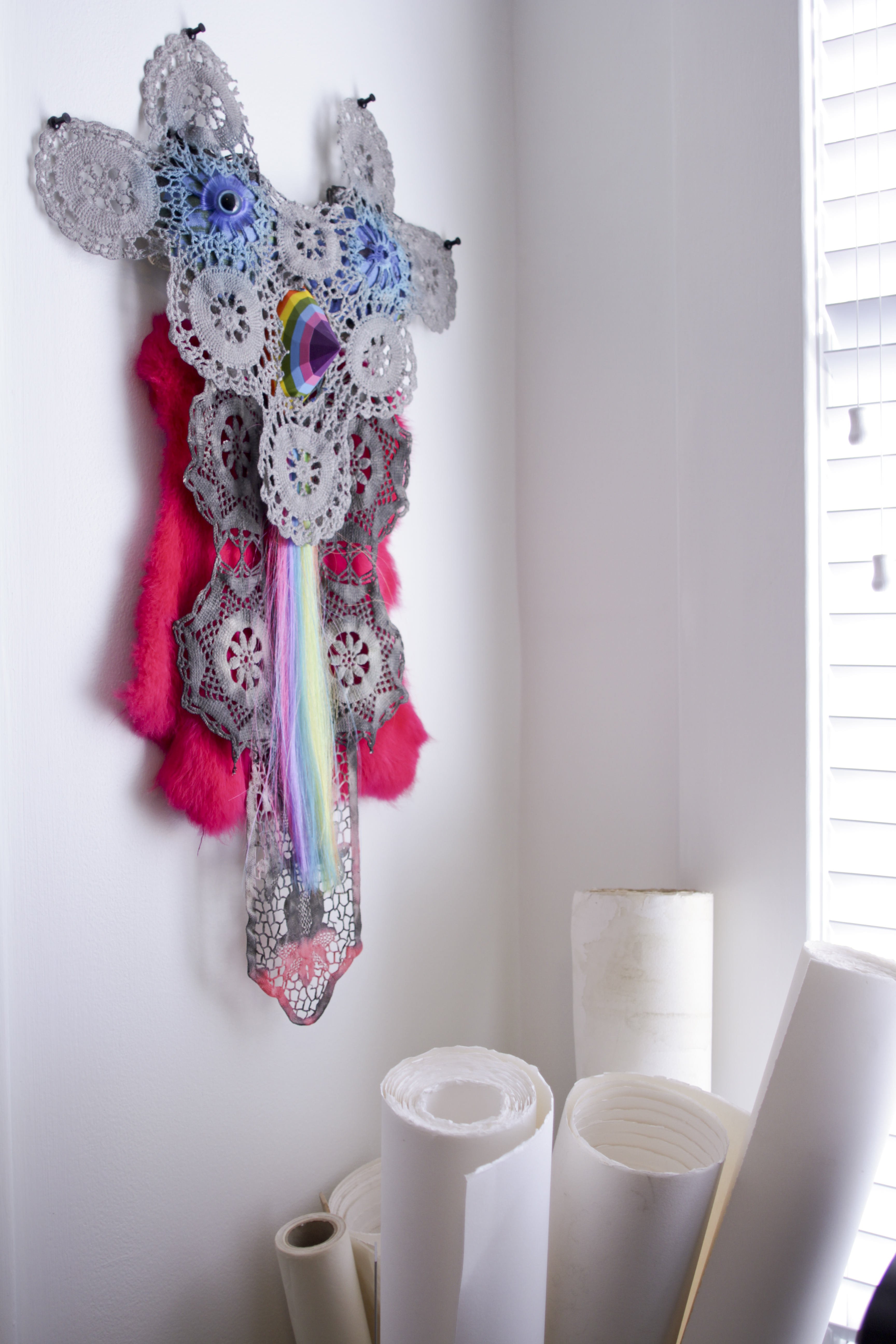
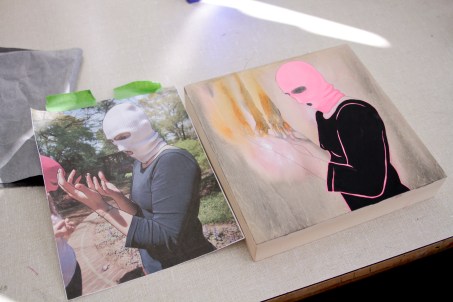
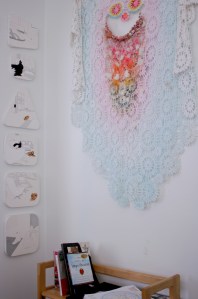
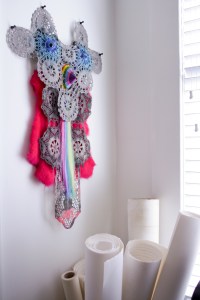
As it turns out, Ann-Marie has set her sights beyond the 2D artwork she has been known for in the past, and is looking to try new mediums. “I really, really want to get into some sculpture, like textiles and maybe even some video,” she told me, before showing me some work that inspires her by sculptural artist Nick Cave. I swear her eyes sparkled as she told me excitedly that he will be coming to Atlanta next year.
Ann Marie Manker_2 Ann Marie Manker_5

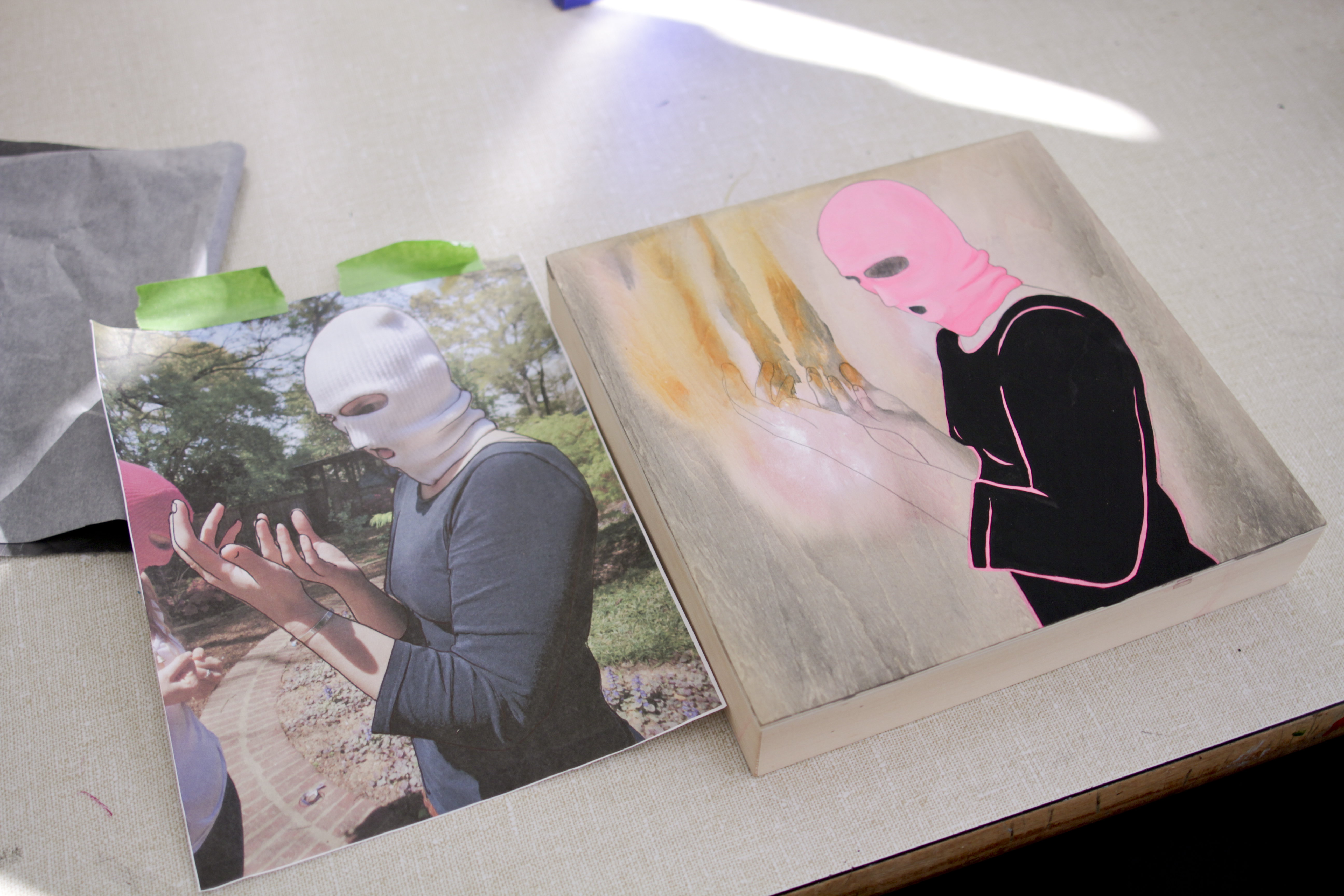
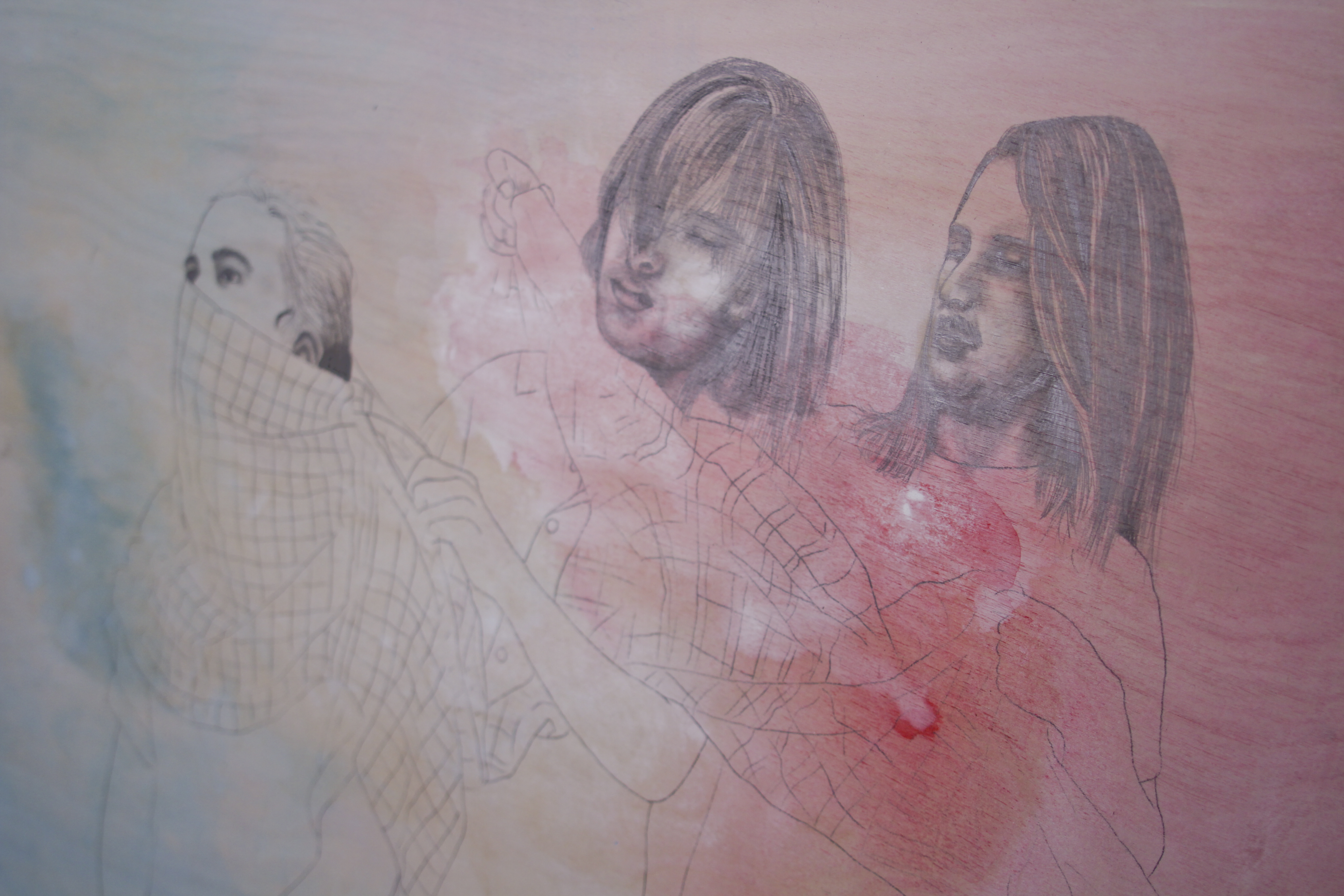
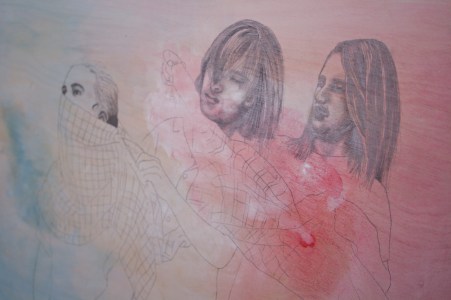
“African ceremonial costumes are what really inspire me,” she said, “because when you put on an outfit it’s like you become a conduit for the higher source… humans can’t pass judgment on their peers but once you put on this costume you become a judge that can get after criminals… but I’m not going from a criminal route, I more so want to create kind of a demon monster type person.” I don’t know exactly what her new works will look like, but I imagine they may incorporate some of the pastel colors and sweet sentiment in dark scenarios that are represented in her current textiles and paintings.
Ann Marie Manker_13 Ann Marie Manker_4

When asked about how she has weathered feelings of negativity or doubt, she told me, “I’ve always been very goal driven. I remember when I was in my twenties that I had this little piece of paper that I kept in my nightstand and it was what my long term goals were. And it was: to teach art, to be an artist, to teach college, and the only thing I have not achieved was to teach abroad. Like, a study abroad program, which I actually could do that if I wanted, but I’m just in a position right now where I’m so happy I wouldn’t necessarily want to leave my animals and husband for too long.”
What a wonderful problem to have, I thought, and I can see why she would feel this way.

You can see Manker’s work in person this week, November 7th, at SCAD ATL’s Open Studio exhibition and view some of her work online here.

-Is